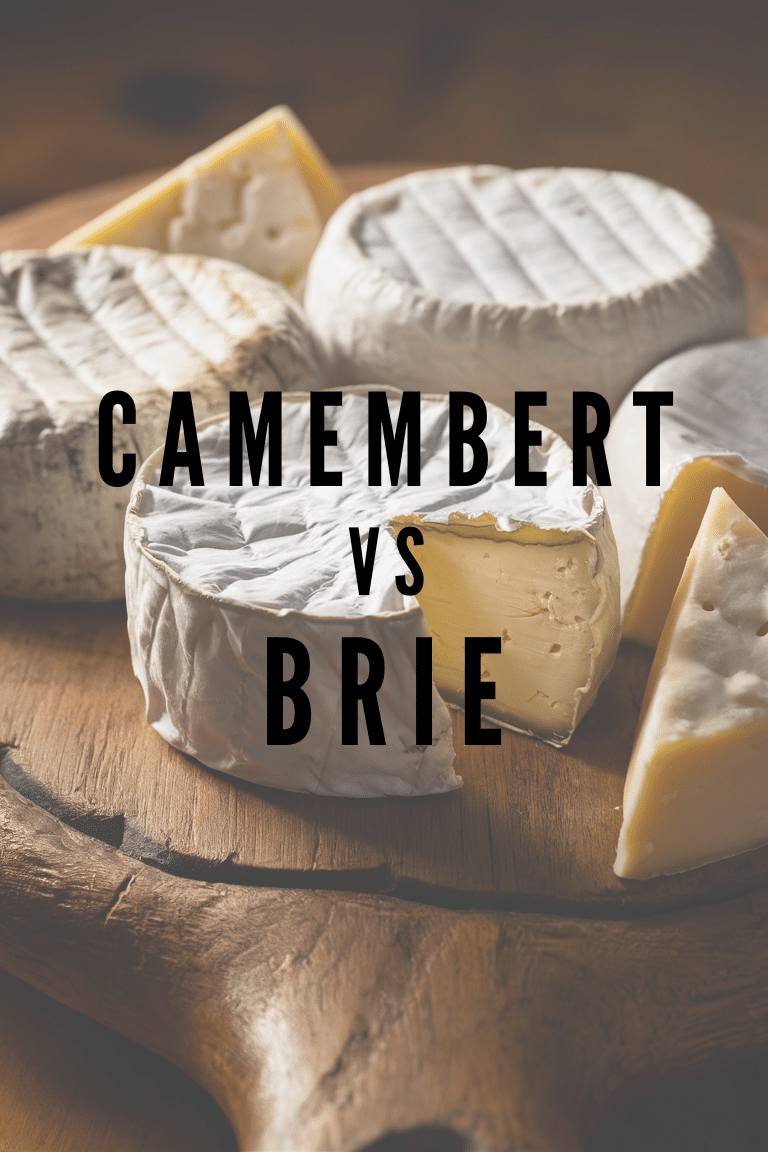
Cheese enthusiasts often debate the merits of Brie and Camembert. Both are soft, creamy, and delicious, yet they have both have their own unique characteristics. To understand these two cheeses better, we need to dive into their origins, production methods, and unique flavors.
Origins and History
Brie cheese originates from the Île-de-France region, specifically the town of Meaux. It’s one of France’s oldest cheeses, with a history dating back to the 8th century. Known as the “Queen of Cheeses,” Brie was once a favorite in the royal courts of Europe.

Camembert cheese, on the other hand, hails from Normandy. It was first made in the late 18th century by Marie Harel, a farmer inspired by a priest from Brie. Over time, Camembert gained popularity and became one of France’s most famous cheeses.

These historical contexts highlight not just the regional pride but also the cultural significance of each cheese. Brie, with its roots in the Parisian region, is often associated with the elegance and refinement of the French capital. Camembert, born in the rustic, pastoral settings of Normandy, evokes the robust, earthy qualities of the French countryside.
Cheese Basics
Both Brie and Camembert are made from cow’s milk and belong to the family of soft cheeses with a bloomy rind. This edible white rind forms during the aging process and adds to the cheese’s flavor and texture.
Brie Cheese
Brie has a pale, creamy interior and a soft, white rind. Its flavor is mild and buttery, with hints of mushrooms and almonds. The texture is smooth and creamy, making it easy to spread. There are several varieties of Brie, including Brie de Meaux and Brie de Melun, each with slight variations in flavor and texture.
Brie de Meaux is perhaps the most renowned variety, boasting a rich history and a protected designation of origin (AOC). This means that only cheese produced in a specific area using traditional methods can be labeled as Brie de Meaux. Its flavor profile is rich and complex, often described as fruity with nutty undertones.
Brie de Melun, on the other hand, is known for its stronger, more pronounced taste. It has a firmer texture and a deeper, earthier flavor, making it a favorite among those who appreciate bolder cheese. This variety also has an AOC designation, ensuring its authenticity and quality.
Camembert Cheese
Camembert has a similar appearance to Brie but is typically smaller and thicker. Its flavor is more robust, with earthy, mushroomy notes and a hint of fruitiness. The texture is also creamy, but Camembert tends to be firmer than Brie. Traditional Camembert de Normandie is made with raw milk, which enhances its strong flavor.
The process of making Camembert involves several steps that contribute to its unique taste and texture. After the curds are formed and cut, they are placed into molds and allowed to drain naturally. This step is crucial as it helps to develop the cheese’s signature texture. Once drained, the cheeses are salted and left to age in humid cellars, where they develop their characteristic bloomy rind and complex flavor profile.
Camembert de Normandie, like Brie de Meaux and Brie de Melun, has an AOC designation. This ensures that only cheese produced in a specific region using traditional methods can be called Camembert de Normandie. The use of raw milk and traditional aging techniques give this cheese its distinct, robust flavor.
Flavor Profile and Texture
The flavor and texture of Brie and Camembert are influenced by their production methods and the aging process.
Brie
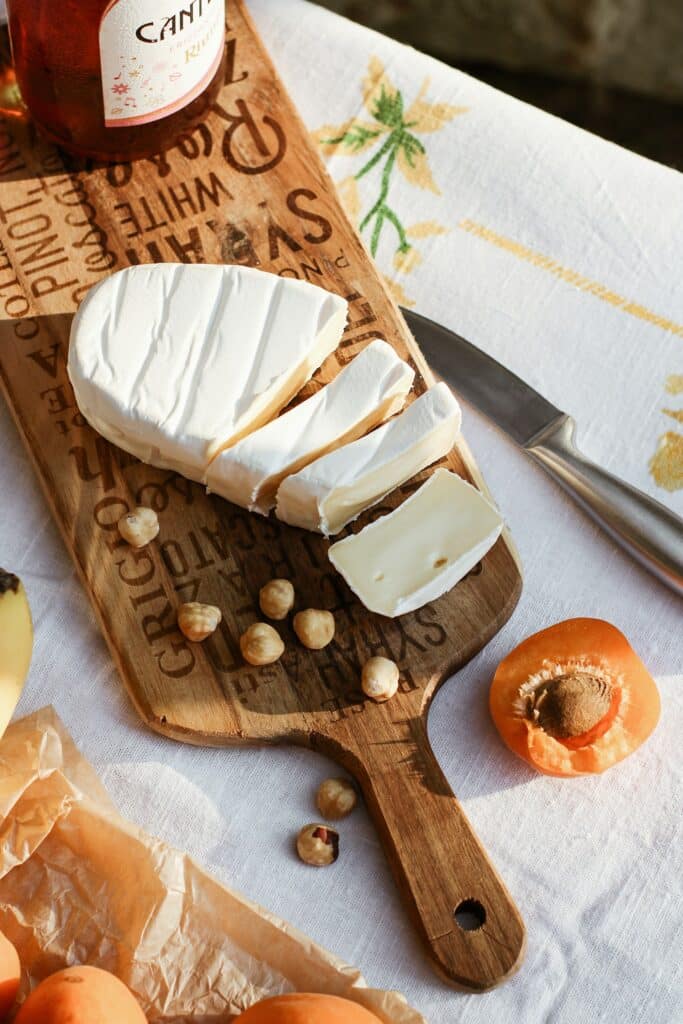
Brie has a subtle, mild flavor that appeals to those who prefer a gentler cheese. Its creamy texture is perfect for spreading on bread or crackers. Brie de Meaux, one of the most famous types, offers a rich, buttery taste with nutty undertones. Brie de Melun, on the other hand, has a slightly stronger flavor due to a longer aging process.
Brie’s versatility extends beyond just flavor. Depending on its age, its texture can range from soft and creamy to slightly firm. Younger Brie is milder and creamier, making it an excellent choice for those new to soft cheeses. The cheese develops more complex flavors and a firmer texture as it ages, providing a richer tasting experience.
Brie can also be enjoyed in various forms. A popular way to serve Brie is baked, where it becomes even creamier and can be paired with a variety of toppings. Baked Brie with honey, nuts, and dried fruits is a classic appetizer, highlighting the cheese’s natural sweetness and creamy texture.
Camembert
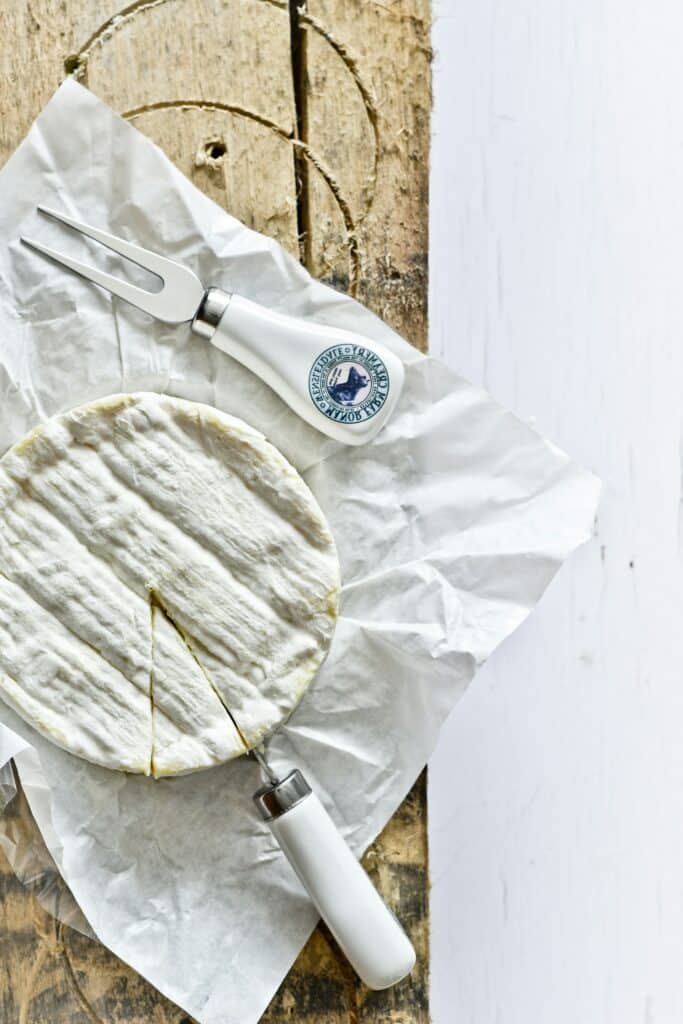
Camembert offers a more intense flavor experience. Its earthy, mushroomy taste is complemented by a creamy texture that becomes runnier as it ages. Using stronger lactic starters in its production gives Camembert a firmer texture and a more pronounced flavor. Traditional Camembert de Normandie, made from raw milk, provides a rich, complex taste that cheese connoisseurs love.
Camembert’s texture also evolves with age. When young, Camembert is firm and has a more pronounced earthy flavor. As it matures, it becomes softer and creamier, with a more intense and complex taste. This aging process is similar to Brie, but the result is a distinctively different cheese in flavor and texture.
Camembert is also versatile in culinary applications. It can be enjoyed on its own or used in cooking. Baked Camembert, like baked Brie, is a popular dish that showcases the cheese’s creamy texture and robust flavor. Served warm and gooey, it’s perfect for dipping with crusty bread or vegetables.
Differences in Production
Both Brie and Camembert are made using similar techniques, but there are key differences that affect their taste and texture.
Milk and Cultures
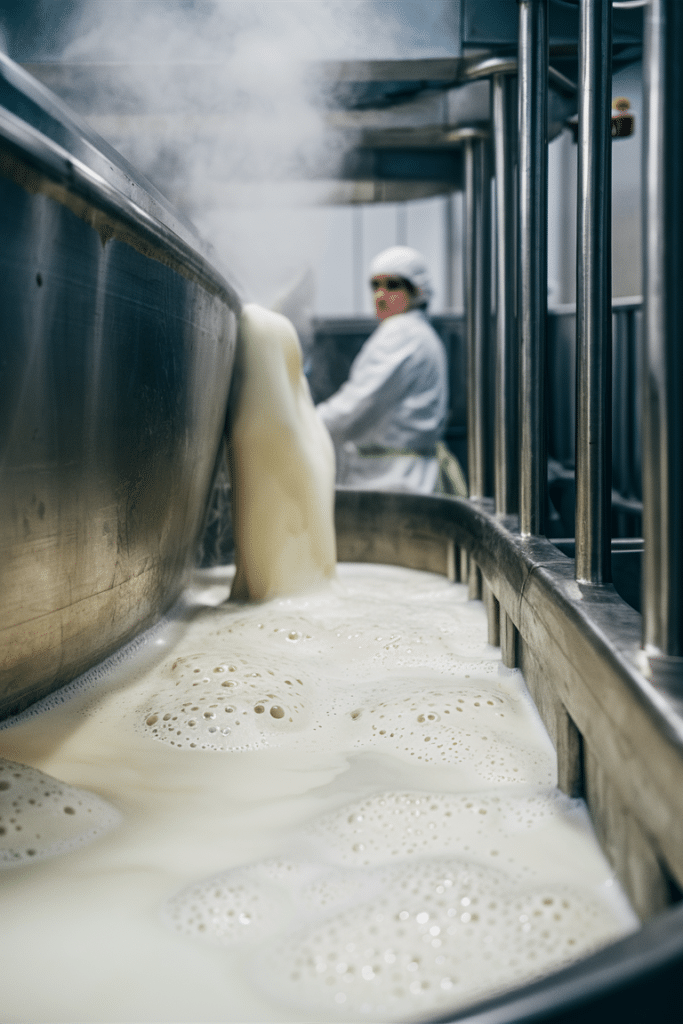
Brie and Camembert are made from cow’s milk, but the type of milk can vary. Brie de Meaux and traditional Camembert de Normandie are made with raw milk, which adds depth to their flavors. Modern versions of these cheeses often use pasteurized milk for safety and consistency.
The cultures used in production also differ. Brie uses milder lactic starters, resulting in a softer texture and milder flavor. Camembert uses stronger starters, giving it a firmer texture and a more robust taste.
The choice of milk and cultures is crucial in defining the cheese’s final flavor and texture. Raw milk cheeses, such as traditional Brie de Meaux and Camembert de Normandie, are often richer and more complex in flavor due to the natural bacteria and enzymes present in the milk. While still delicious, Pasteurized versions tend to have a more consistent but slightly less complex flavor profile.
Aging Process
The aging process, or affinage, plays a crucial role in developing the flavors of Brie and Camembert. Brie is typically aged 4 to 5 weeks, allowing it to develop its characteristic creamy texture and mild flavor. Camembert is aged for a shorter period, around 3 to 4 weeks, but using stronger starters means it develops a more pronounced flavor quickly.
During aging, both cheeses are stored in humid cellars, which help to develop the bloomy rind and enhance the flavors. The conditions of the cellar, including temperature and humidity, are carefully controlled to ensure the cheese ages properly. This process is an art form in itself, requiring skill and experience to achieve the perfect balance of flavor and texture.
Rind Development
Both cheeses develop a bloomy rind during aging. This white, edible rind results from Penicillium camemberti (Penicillium candidum) mold, giving the cheese a distinct appearance and flavor. The rind on Brie is usually thinner and milder, while Camembert’s rind is thicker and has a stronger, mushroomy taste.
The development of the rind is critical to both cheeses. It protects the cheese and contributes to its flavor and texture. The rind interacts with the cheese as it ages, helping to break down the fats and proteins, resulting in the creamy texture and complex flavors characteristic of Brie and Camembert.
Choosing Between Brie and Camembert
Deciding between Brie and Camembert depends on personal taste preferences and the occasion.
Flavor Preferences
Brie is the better choice if you prefer a milder, buttery cheese. Its creamy texture and gentle flavor make it versatile and pair well with a variety of foods. Brie is also a great introduction to soft cheeses for those new to the category.
If you enjoy bold, earthy flavors, Camembert is the way to go. Its robust taste and firmer texture make it a standout on any cheese board. Camembert’s complex flavors are best appreciated by those with a more adventurous palate.
When selecting between Brie and Camembert, consider the other foods and beverages you plan to serve. Brie’s mild flavor pairs well with light, fruity wines like Sauvignon Blanc or Chardonnay. It also complements fresh fruits, nuts, and light charcuterie. Camembert’s bold taste pairs well with richer, more robust wines like Cabernet Sauvignon or Pinot Noir. It also goes well with hearty meats, mushrooms, and savory spreads.
Pairing and Serving Suggestions
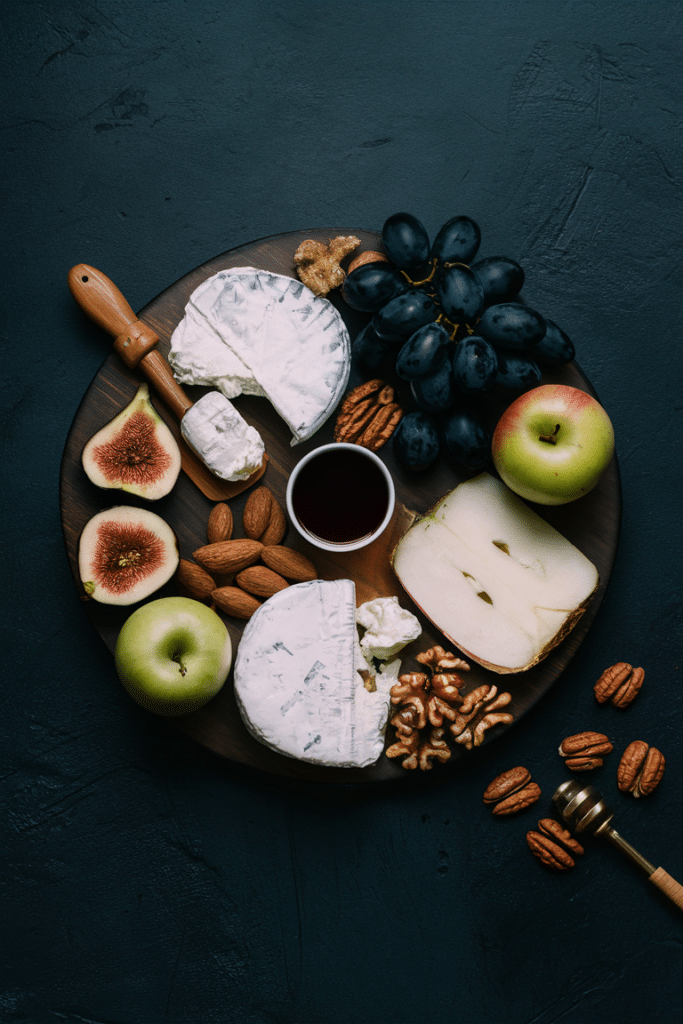
Brie and Camembert can be enjoyed in many ways. Both cheeses pair well with red wine, such as a fruity Pinot Noir or a full-bodied Bordeaux. For white wine lovers, a crisp Sauvignon Blanc complements the creamy texture of these cheeses.
Brie and Camembert can be served on a cheese board with fresh fruit, nuts, and crusty bread. Baked Brie is a popular appetizer, often topped with honey, nuts, and dried fruit. Baked Camembert is another delicious option, served warm and gooey with crusty bread for dipping.
Consider adding a variety of accompaniments to your cheese board to highlight the unique flavors of Brie and Camembert. Fresh fruits like grapes, figs, and apples add a refreshing contrast to the creamy cheeses. Nuts such as almonds, walnuts, and pecans provide a satisfying crunch. A selection of bread and crackers offers a variety of textures and flavors to pair with the cheeses.
When serving baked Brie or Camembert, experiment with different toppings to create a unique and flavorful appetizer. Sweet toppings like honey, fig jam, or cranberry sauce pair well with creamy cheeses, while savory toppings like caramelized onions, garlic, and herbs add depth and complexity to the dish.
Enjoying Brie and Camembert
Brie and Camembert are delicious on their own and versatile in recipes.
Cooking with Brie
Brie is a favorite in many recipes. Its creamy texture melts beautifully, making it perfect for baked dishes. Try baked Brie with a topping of caramelized onions and nuts for a savory treat. Brie also works well in sandwiches, adding a touch of luxury to a simple grilled cheese or turkey sandwich.
Brie can also be used in a variety of hot dishes. It adds a rich, creamy element to pasta dishes, such as a Brie and mushroom pasta or a Brie and spinach lasagna. Brie can also be used in soups, adding a smooth, velvety texture and a rich flavor to dishes like a creamy Brie and broccoli soup.
For a unique twist, try using Brie in desserts. Its mild, creamy flavor pairs well with sweet ingredients, creating a delicious balance of flavors. Brie and fruit tarts, for example, combine the sweetness of fresh fruit with the creamy richness of Brie, resulting in a delightful dessert.
Cooking with Camembert
Camembert’s strong flavor makes it a great addition to hearty dishes. Baked Camembert with garlic and herbs is a classic appetizer that will impress. Camembert can also be used in casseroles, adding depth and richness to the dish. For a gourmet touch, try a Camembert and mushroom risotto.
Camembert can also be used in savory pastries and tarts. Its bold flavor pairs well with caramelized onions, bacon, and mushrooms, creating a rich and satisfying dish. Camembert tarts, for example, combine creamy cheese with savory ingredients, resulting in a delicious and elegant appetizer or main course.
For a comforting and indulgent dish, try making a Camembert fondue. Melted Camembert, combined with white wine and garlic, creates a rich and flavorful dip perfect for crusty bread, vegetables, and meats.
Conclusion
Brie and Camembert may seem similar at first glance, but their unique characteristics set them apart. Understanding the differences between these two cheeses can help you choose the right one for your taste and occasion. Whether you prefer the mild, buttery flavor of Brie or the bold, earthy taste of Camembert, both are delicious choices that will elevate any cheese board or recipe.
By exploring the history, production methods, and flavor profiles of Brie and Camembert, we can appreciate each cheese’s unique qualities. Both Brie and Camembert have distinct characteristics, making them versatile and delicious options for any cheese lover. Whether you’re new to soft cheeses or a seasoned connoisseur, Brie, and Camembert offer a rich and rewarding tasting experience.
Enjoying these cheeses in various forms, from simple cheese boards to elaborate recipes, allows us to fully appreciate their flavors and textures. Pairing them with the right accompaniments and beverages enhances their natural qualities and creates a memorable dining experience.
In the end, the choice between Brie and Camembert comes down to personal preference. Both cheeses have their own unique appeal and can be enjoyed in a variety of ways. Whether you’re indulging in a creamy Brie or savoring the bold flavors of Camembert, you’re sure to enjoy a delicious and satisfying cheese experience.
| Brie | Camembert | |
|---|---|---|
| Origin | Île-de-France, specifically Meaux | Normandy |
| History | Dates back to the 8th century, known as the “Queen of Cheeses” | First made in the late 18th century by Marie Harel |
| Texture | Smooth and creamy | Creamy, but firmer than Brie |
| Flavor | Mild, buttery with hints of mushroom and almonds | Robust, earthy, mushroomy with a hint of fruitiness |
| Rind | Thin, white, and edible | Thicker, white, and edible with a stronger taste |
| Aging Time | 4 to 5 weeks | 3 to 4 weeks |
| Milk Type | Traditionally raw milk, modern versions often use pasteurized milk | Traditionally raw milk, modern versions often use pasteurized milk |
| Lactic Starters | Milder lactic starters | Stronger lactic starters |
| Protected Designation of Origin (AOC) | Brie de Meaux and Brie de Melun | Camembert de Normandie |
| Pairings | Fruits, nuts, light wines like Sauvignon Blanc or Chardonnay | Hearty meats, robust wines like Cabernet Sauvignon or Pinot Noir |
| Popular Uses | Baked Brie, sandwiches, pasta dishes, desserts | Baked Camembert, casseroles, savory pastries, fondue |