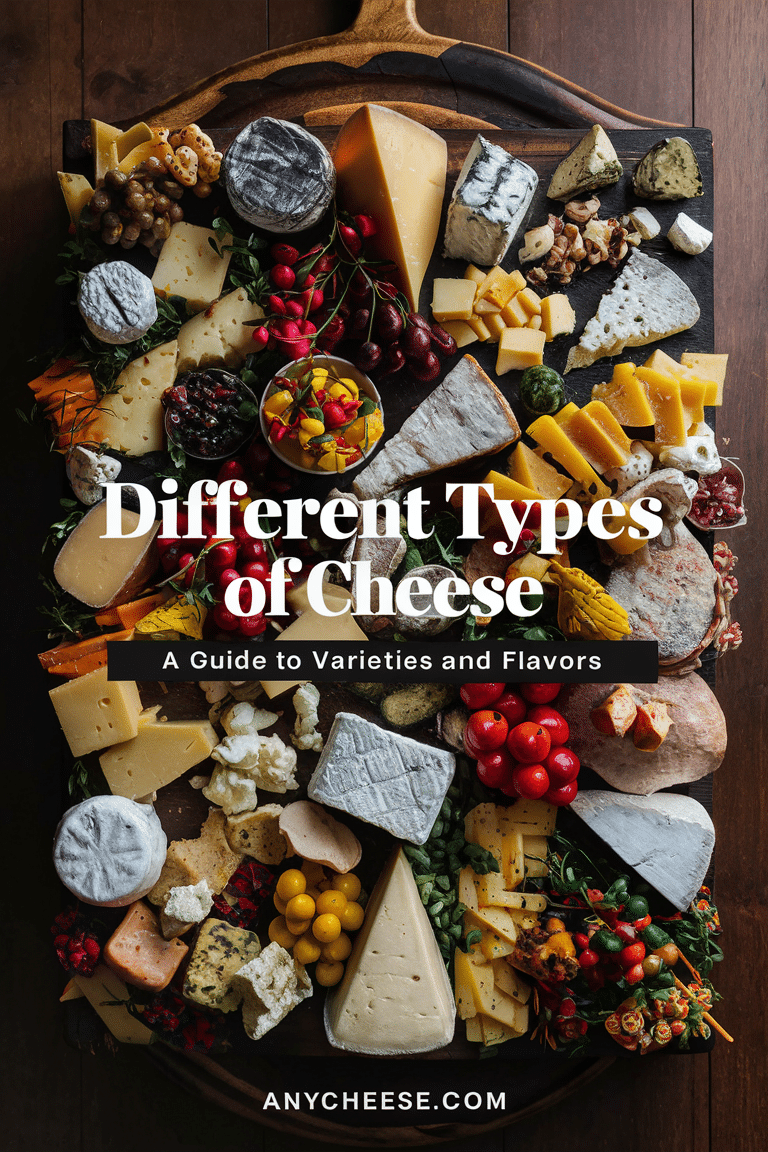
Cheese lovers rejoice! Within the splendid world of cheese, an incredibly diverse tapestry of tastes, textures, and aromas is waiting to be explored.
From the creamy, subtle notes of fresh mozzarella to the sharp, complex zing of vintage cheddar, each type of cheese offers a unique gastronomic experience.
Whether slathered on a cracker, folded into dishes, or savored on its own, cheese elevates meals and satiates the palate.

Exploring different types of cheese is like embarking on a culinary adventure around the globe.
Many regions are celebrated for their distinctive cheeses, with each boasting characteristics shaped by local customs, ingredients, and aging processes.
For instance, Brie and Camembert deliver luxuriously rich flavors that are hallmarks of French cheesemaking, while the holes in Swiss cheese tell tales of the Alpine creation methods.
The varieties range from popular classics in countless kitchens to specialty cheese treasures for the connoisseur.
The beauty of cheese extends far beyond its myriad flavors; it’s also a testament to the craft and tradition of cheesemaking.
Whether you prefer the tangy bite of blue cheese or the smoothness of Havarti, there’s an impressive selection for every palate.
The discussion of cheese is not just about taste – it’s an exploration of culture, science, and art that has been honed over centuries.
Diving into the types of cheese is not just a culinary quest but a discovery of history, passion, and artistry inherent in every bite.
Well-Known Cheese Varieties

Cheese enthusiasts often have their favorite favorites, whether for a cheese platter, cooking, or simply enjoying a slice.
The following varieties are among the most popular cheeses globally and offer diverse flavors and textures that cater to different preferences.
For a comprehensive list of cheeses across the world, check out our cheese map or our full list of cheese types.
Cheddar
Cheddar cheese is known for its smooth to sharp flavor profile and firm texture. Originally from England, it ranges in taste from mild to extra sharp, depending on how long it’s aged.
Mozzarella
This Italian cheese is famous for its meltability and is a staple in pizzas and caprese salads. Mozzarella comes in fresh or low-moisture forms and is cherished for its creamy texture.
Parmesan (Parmigiano-Reggiano)
Produced in Italy, Parmesan has a hard granular texture and is often grated over pasta dishes for its nutty, savory flavor. It is aged at least 12 months to develop its distinct taste.
Brie
Brie is a soft cheese named after the French region from which it originated. Its creamy interior is encased in an edible white rind, known for its rich and buttery taste.
Gouda
Originating from the Netherlands, Gouda can be young or aged, leading to a range of flavors from sweet and creamy to bold and nutty. It often features a caramel-like sweetness.
Emmental
Emmental is a Swiss cheese recognized by its characteristic holes called ‘eyes.’ It has a buttery, mildly sharp flavor and is a key ingredient in fondue. The American Swiss cheese you find on sandwiches is based on this kind of cheese.
Blue
Blue cheese is easily identified by its blue or green veins. It has a pungent aroma and a sharp, salty flavor, making it an acquired taste for some cheese lovers.
Camembert
Camembert is a French cheese with a soft, creamy center, very much like Brie. It presents a deeper, earthy flavor and is often served warmed to highlight its gooey texture.
Feta
Feta is a brined curd cheese from Greece with a crumbly texture. Made primarily from sheep’s milk, it has a tangy and slightly salty taste and is perfect for Greek salads.
Chèvre (Goat Cheese)
Chèvre is the French name for cheeses made from goat’s milk. These can range from fresh and creamy to aged and firm, with a distinct tart flavor profile.
Provolone
Provolone is an Italian semi-hard cheese with a smooth texture. It’s excellent for sandwiches and cooking, offering a mild, sharper taste as it ages.
Cheese by Texture
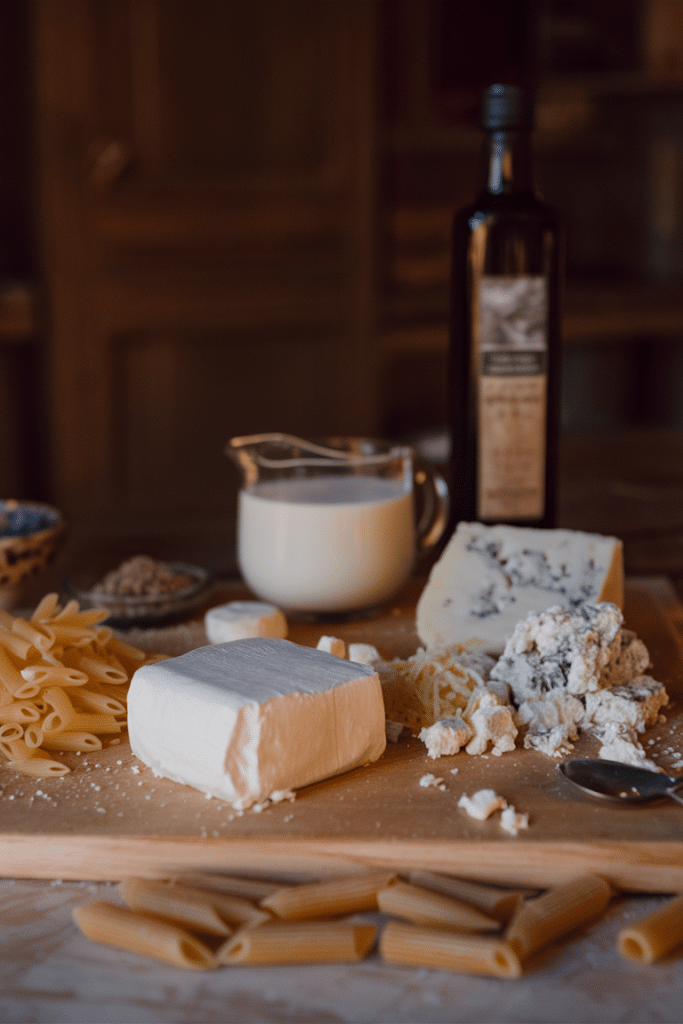
Cheese can be categorized by its texture, which varies based on moisture content and aging. These textures range from hard, aged varieties to soft, creamy ones that are often fresher.
Hard Cheese
Hard cheeses are characterized by a low moisture content and a longer aging process, which results in a firm texture that can be crumbly or dense.
Examples include Parmigiano-Reggiano and aged cheddar.
Hard cheeses are often used for grating over dishes or enjoyed as part of a cheeseboard.
Semi-Soft Cheese
These cheeses have a higher moisture content than hard cheeses, resulting in a texture that is firm yet sliceable with a tendency to melt well.
Gouda and Havarti are classic examples of semi-soft cheeses, ideal for sandwiches or cooking.
Soft Cheese
Soft cheeses are known for their high moisture content and lack of a firm rind, contributing to a spreadable and creamy consistency.
Notable soft cheeses include Brie and Camembert, which are perfect for spreading on crackers or bread.
They are typically aged for a shorter period than hard or semi-soft cheeses.
Cheese by Milk Source

The variety of cheeses available worldwide is largely due to the different types of milk used in their production.
Each source of milk provides its unique flavor and texture to the cheese it produces.
Cow’s Milk Cheese
Cow’s milk cheese is the most commonly consumed globally. Its flavors range from soft and mild to hard and strong.
For example, Gouda is a semi-hard cheese known for its rich, unique flavor and smooth texture, reflecting its Dutch farming origins.
- Popular Cow’s Milk Cheeses:
- Cheddar
- Mozzarella
- Brie
- Swiss cheese
Goat Cheese
Cheese made from goat’s milk tends to be tangy with a smooth, creamy texture.
Fresh goat cheese is soft and spreadable, often found in logs or disks. The flavor profile can change with the seasons, reflecting the goats’ diet.
- Examples of Goat Cheese:
- Crottin de Chavignol
- Chevre
- Feta (can also be made from sheep’s milk)
Sheep Milk Cheese
Sheep milk cheese, known for its rich and earthy flavor, tends to have a higher fat content than other cheeses, contributing to its creamy texture.
A famous sheep’s milk cheese is Pecorino, which has varieties that are aged.
Each type of milk brings distinctive characteristics to the cheeses it produces, from the creamy, familiar tastes of cow’s milk cheese to the robust flavors of sheep milk cheese and the subtle tang of goat cheese.
Other Milks
Some other more uncommon types of milk used for cheesemaking are Buffalo, Camel, Yak, Donkey, Horse, and Reindeer.
Specialty and Artisan Cheeses

Specialty and artisan cheeses stand out due to their unique flavors and traditional production methods. Often crafted in smaller batches, these cheeses reflect the care and expertise of their cheesemakers.
Washed-Rind Cheese
Washed-rind cheeses are notable for their pungent aroma and distinct orange rind, resulting from being bathed in solutions like saltwater, beer, or wine.
This process encourages bacterial growth, which imparts complex flavors and a creamy texture to the cheese.
Smoked Cheese
Smoked cheeses acquire their distinctive flavor through exposure to smoke from wood fires. This smoking process not only imparts a rich, smoky taste but also preserves the cheese.
Commonly smoked cheeses include smoked Gouda and smoked Cheddar. These cheeses are enjoyed on their own, in sandwiches, or melted over dishes to add a depth of flavor.
Raw Milk Cheese
Raw milk cheeses are made from unpasteurized milk, which allows the natural flavors of the milk to shine through. These cheeses are often richer and more complex than their pasteurized counterparts.
The production of raw milk cheese requires careful monitoring to ensure safety and quality.
Examples include traditional Camembert and certain Parmigiano-Reggiano. Raw milk cheeses often pair well with wine and fresh bread, highlighting their full-bodied flavors.
Herbed and Flavored Cheese
Herbed and flavored cheeses incorporate various herbs, spices, and other ingredients during the cheesemaking process.
These additions create a wide range of taste experiences. Examples include Boursin, a creamy French cheese mixed with garlic and herbs, and Pepper Jack, an American cheese infused with spicy peppers.
These cheeses add a flavorful twist to recipes and are delightful on cheese boards.
Bloomy Rind Cheese
Bloomy rind cheeses, such as Brie and Camembert, are covered with a soft, edible white mold.
This mold, known as Penicillium camemeberti (Penicillium candidum), gives the cheese a creamy interior and a delicate, mushroomy flavor. The rind and the cheese ripen from the outside in, creating a smooth, luscious texture.
These cheeses are often served with crackers, fruit, and a glass of champagne or sparkling wine.
Cheese Across Cultures
Cheese-making traditions reflect a rich tapestry of cultural heritage and gastronomic artistry.
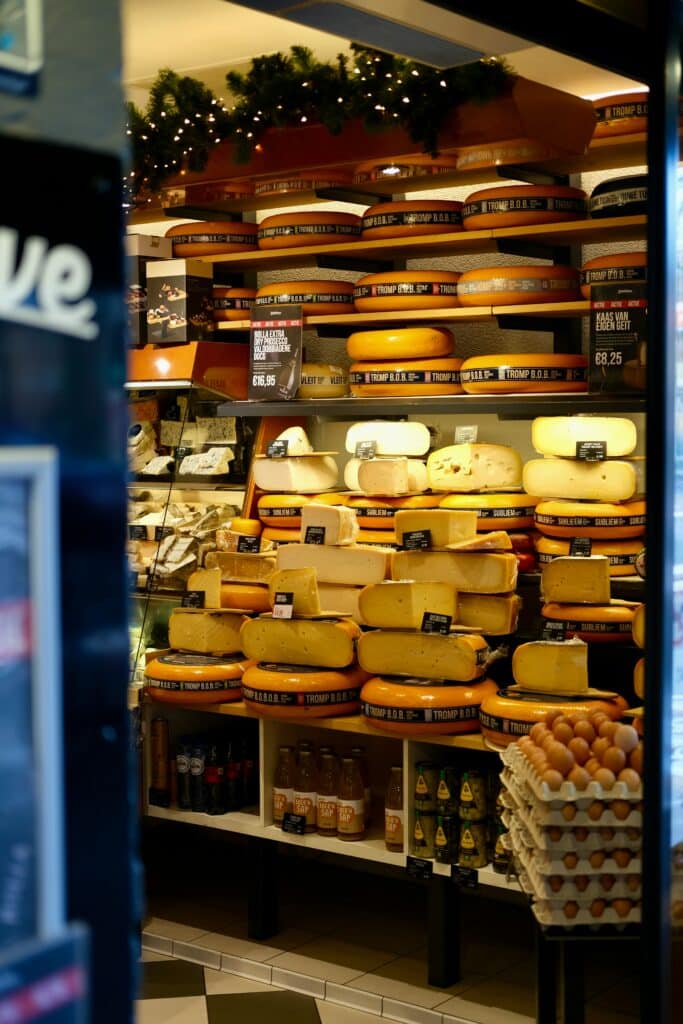
Each region in Europe has honed its own techniques and recipes, giving rise to a vast diversity of cheeses. These cheeses are celebrated globally for their unique flavors and history.
French Cheese
French cheese is synonymous with sophistication and variety. They are masters of soft cheeses with internationally renowned varieties.
For instance, Brie and Camembert are soft, creamy cheeses adored globally for their delicate taste. Cheese lovers also revere Roquefort for its blue-veined robustness.
One can appreciate the depth and breadth of French cheese-making savoir-faire once one acknowledges the multitude of French cheeses.
Italian Cheese
Italian cheeses are characterized by their versatility and iconic status in various dishes.
Hard cheeses such as Parmigiano-Reggiano and Grana Padano are staples in Italian cuisine. They are prized for their sharp, savory flavors and ability to elevate pasta, soups, and salads.
Meanwhile, Mozzarella, known for its fresh and milky quality, is essential to a classic Margherita pizza.
The diverse textures of Italian cheeses showcase Italy’s deep connection with dairy craftsmanship.
Spanish Cheese
The cheese culture of Spain is rich with bold flavors and history.
A standout Spanish cheese is Manchego, a firm, buttery cheese made from the milk of Manchega sheep. It is uniquely reflective of Spain’s La Mancha region.
Another notable Spanish cheese is the nutty-flavored Idiazabal, often paired with fruity wines and quince paste.
The heritage of Spanish cheeses is rooted deeply in their local landscapes and traditional methods.
Dairy-Free and Vegan Cheese Alternatives
In recent years, the rise of plant-based diets has led to an impressive array of dairy-free and vegan cheese alternatives. These products cater to those who avoid dairy due to allergies, ethical reasons, or dietary preferences.
Plant-Based Ingredients: Vegan cheese products often rely on various plant-based components.
Common bases include nuts like cashews and almonds, coconut oil, soy protein, and root vegetable starches. They often incorporate nutritional yeast to achieve a cheese-like umami flavor.
Texture and Flavor: Producers have significantly improved the texture and meltability of vegan cheese.
Some brands specially formulate their products to melt on pizzas or stretch in grilled sandwiches, much like traditional cheese.
Not all vegan cheeses are created equal, so it may take some experimentation to find the ones best suited for different culinary applications.