Limburger Cheese vs Swaledale Cheese
Limburger Cheese
Swaledale Cheese
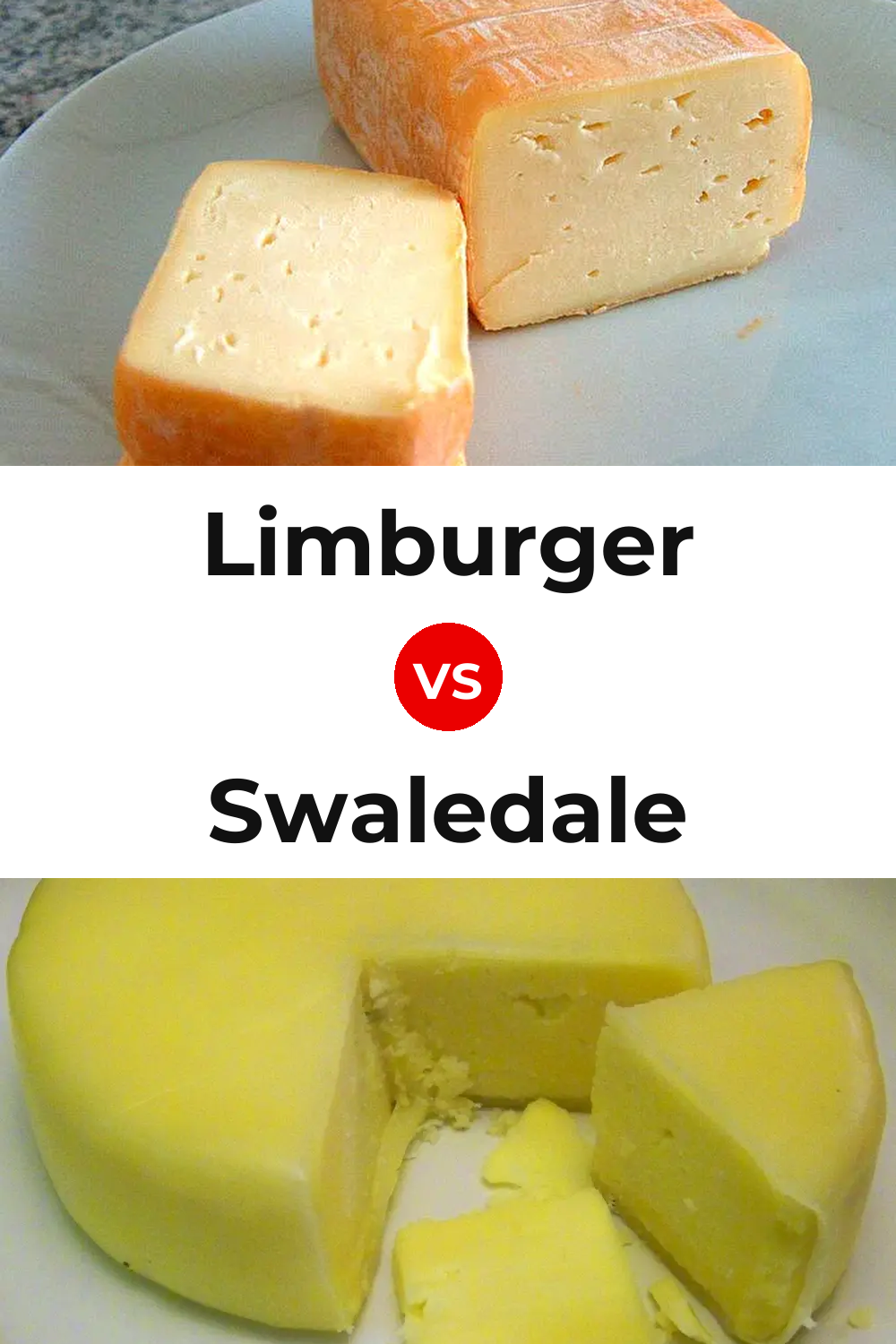
Limburger Cheese is a firm to spreadable cow-milk cheese from Belgium, while Swaledale Cheese is moist, medium firm and made from cow, goat, or sheep milk, originating in England.
What Is Limburger Cheese?
Limburger is a washed-rind cow's milk cheese from the Herve area of the old Duchy of Limburg, now part of Belgium. It is known for the powerful smell it develops after about three months of ripening.
What Is Swaledale Cheese?
Swaledale is a full fat hard cheese from Richmond in Swaledale, North Yorkshire, made with unpasteurised cow, sheep or goat milk. It is known for its moist medium firm texture and a rind of grey-blue mould or natural wax.
What's the Difference Between Limburger Cheese and Swaledale Cheese?
- Origin: Limburger Cheese (Belgium), Swaledale Cheese (England)
- Milk type: Limburger Cheese (Cow’s milk), Swaledale Cheese (cow, sheep, goat)
- Texture: Limburger Cheese (Firm to spreadable), Swaledale Cheese (moist, medium firm)
- Rind: Limburger Cheese (Sticky, orange-brown), Swaledale Cheese (grey-blue mould or natural wax)
- Aging: Limburger Cheese (3 months), Swaledale Cheese (3 to 4 weeks)
Side-by-Side Comparison
| Limburger Cheese | Swaledale Cheese | |
|---|---|---|
| Country of Origin | Belgium | England |
| Specific Origin | Limburg, Allgäu | Swaledale, North Yorkshire |
| Milk Type | Cow’s milk | Cow, sheep, goat |
| Milk Treatment | Raw | Raw |
| Texture | Firm to spreadable | Moist, medium firm |
| Rind | Sticky, orange-brown | Grey-blue mould or natural wax |
| Aging | 3 months | 3 to 4 weeks |
| Taste | Meaty, farmyard | — |
Taste Comparison: Does Limburger Cheese Taste Like Swaledale Cheese?
Their flavor profiles are distinct. More specifically, Limburger Cheese shows created in the 1800s by belgian trappist monks and renowned for its pungent odor, limburger cheese evolves from firm and crumbly to exceptionally creamy and stinky over three months. the odor, akin to smelly feet, is due to brevibacterium linens used in the brine wash. now predominantly produced in germany, with a significant historical presence in the american midwest, particularly wisconsin. traditionally served with dark bread, brown mustard, onion slices, and beer. despite its notoriety for its distinctive smell, limburger remains a famous washed-rind cheese, enjoyed in sandwiches or with boiled potatoes and butter., while Swaledale Cheese leans toward fresh and bracken-like, with a sweet caramel undertone from ewes' milk. Aging plays into this as well. Limburger Cheese at 3 months develops a different profile than Swaledale Cheese at 3 to 4 weeks.
Can You Substitute Limburger Cheese for Swaledale Cheese?
Limburger Cheese can stand in for Swaledale Cheese in many dishes, but the switch will shift the overall character of the recipe. Expect firm to spreadable bite and body where the recipe calls for moist, medium firm.
Which Is Better, Limburger Cheese or Swaledale Cheese?
There's no single winner. It depends on your recipe and the profile you want. If you want a firm to spreadable cheese, go with Limburger Cheese. For a moist, medium firm profile, Swaledale Cheese is the better fit.
Which is your favorite?
One click, anonymous. See what others chose.
Frequently Asked Questions
Is Limburger Cheese the same as Swaledale Cheese?
No, they're distinct cheeses. Limburger Cheese originates in Belgium, while Swaledale Cheese comes from England. Limburger Cheese is made from cow milk; Swaledale Cheese uses cow, goat, or sheep. Aging also differs: Limburger Cheese is typically aged 3 months, Swaledale Cheese 3 to 4 weeks.
Is Limburger Cheese similar to Swaledale Cheese?
Not closely. They use different milk bases and have distinct profiles.
Can I substitute Limburger Cheese for Swaledale Cheese?
You can, but expect a shift in richness and milk character.
Does Limburger Cheese taste like Swaledale Cheese?
They have distinct flavor profiles. The taste row in the table above is the best direct comparison.
What is Limburger Cheese made of?
Limburger Cheese is made from cow milk (raw). It's typically aged 3 months. It originates in Belgium.
What is Swaledale Cheese made of?
Swaledale Cheese is made from cow, goat, or sheep milk (raw), using rennet added after culturing rennet. It's typically aged 3 to 4 weeks. It originates in England.
Which should I choose, Limburger Cheese or Swaledale Cheese?
It depends on the dish. The texture difference is the biggest practical tell. Limburger Cheese is firm to spreadable, while Swaledale Cheese is moist, medium firm.