
დამბალხაჭო / Dambalkhacho Cheese vs Provel Cheese
დამბალხაჭო / Dambalkhacho Cheese
Provel Cheese
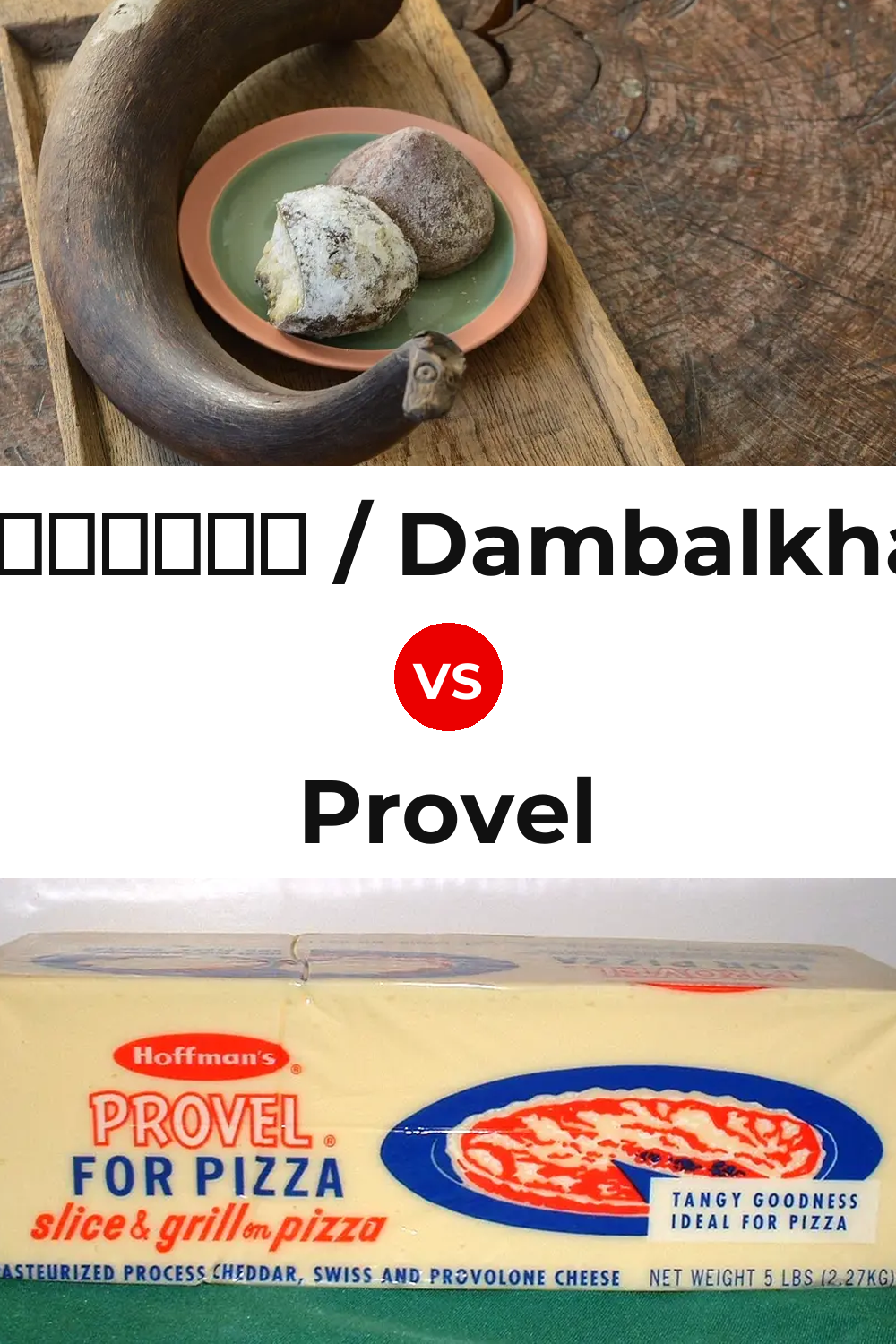
დამბალხაჭო / Dambalkhacho Cheese is a semi-soft, uniform, crumbly cheese, while Provel Cheese is soft, processed and made from cow milk, originating in United States.
Buy დამბალხაჭო / Dambalkhacho Cheese
Buy Provel Cheese
What Is დამბალხაჭო / Dambalkhacho Cheese?
Dambalkhacho is a pungent Georgian cheese from the Tianeti and Pshavi mountains, made from sour buttermilk cottage cheese and aged in sealed clay pots until mold develops. It is known for its intense aroma, spicy flavor and national landmark status in Georgia.
What Is Provel Cheese?
Provel is a white processed cheese that blends cheddar, Swiss and provolone with liquid smoke. It melts at a low temperature, tastes buttery, and is the traditional cheese on St. Louis-style pizza.
What's the Difference Between დამბალხაჭო / Dambalkhacho Cheese and Provel Cheese?
- Texture: დამბალხაჭო / Dambalkhacho Cheese (semi-soft, uniform, crumbly), Provel Cheese (soft, processed)
- Taste: დამბალხაჭო / Dambalkhacho Cheese (spicy), Provel Cheese (buttery)
Side-by-Side Comparison
| დამბალხაჭო / Dambalkhacho Cheese | Provel Cheese | |
|---|---|---|
| Country of Origin | — | United States |
| Specific Origin | Tianeti And Pshavi, Georgia | St. Louis, Missouri |
| Milk Type | — | Cow's milk |
| Milk Treatment | — | Pasteurized |
| Texture | Semi-soft, uniform, crumbly | Soft, processed |
| Rind | — | Plastic |
| Aging | 2 to 3 months | — |
| Taste | Spicy | Buttery |
Taste Comparison: Does დამბალხაჭო / Dambalkhacho Cheese Taste Like Provel Cheese?
დამბალხაჭო / Dambalkhacho Cheese reads as spicy, while Provel Cheese brings buttery character. On the nose, დამბალხაჭო / Dambalkhacho Cheese offers pungent, intense, contrasted with Provel Cheese's smokey. More specifically, დამბალხაჭო / Dambalkhacho Cheese shows spicy, strong, mold-driven, while Provel Cheese leans toward buttery, smoky; a blend of cheddar, swiss and provolone with liquid smoke.
Can You Substitute დამბალხაჭო / Dambalkhacho Cheese for Provel Cheese?
დამბალხაჭო / Dambalkhacho Cheese can stand in for Provel Cheese in many dishes, but the switch will shift the overall character of the recipe. Expect semi-soft, uniform, crumbly bite and body where the recipe calls for soft, processed. Flavor-wise, დამბალხაჭო / Dambalkhacho Cheese reads as spicy while Provel Cheese brings buttery notes.
Which Is Better, დამბალხაჭო / Dambalkhacho Cheese or Provel Cheese?
There's no single winner. It depends on your recipe and the profile you want. If you want a semi-soft, uniform, crumbly cheese, go with დამბალხაჭო / Dambalkhacho Cheese. For a soft, processed profile, Provel Cheese is the better fit. Flavor-wise, დამბალხაჭო / Dambalkhacho Cheese suits recipes that want spicy notes, while Provel Cheese fits dishes calling for buttery.
Which is your favorite?
One click, anonymous. See what others chose.
Frequently Asked Questions
Is დამბალხაჭო / Dambalkhacho Cheese the same as Provel Cheese?
No, they're distinct cheeses.
Is დამბალხაჭო / Dambalkhacho Cheese similar to Provel Cheese?
Not closely. They use different milk bases and have distinct profiles.
Can I substitute დამბალხაჭო / Dambalkhacho Cheese for Provel Cheese?
You can, but expect a shift in bite and mouthfeel.
Does დამბალხაჭო / Dambalkhacho Cheese taste like Provel Cheese?
დამბალხაჭო / Dambalkhacho Cheese reads as spicy, while Provel Cheese is buttery. Aromas also diverge. დამბალხაჭო / Dambalkhacho Cheese leans pungent, intense, and Provel Cheese is closer to smokey.
What is დამბალხაჭო / Dambalkhacho Cheese made of?
დამბალხაჭო / Dambalkhacho Cheese is made from milk. It's typically aged 2 to 3 months.
What is Provel Cheese made of?
Provel Cheese is made from cow milk (pasteurized). It originates in United States.
Which should I choose, დამბალხაჭო / Dambalkhacho Cheese or Provel Cheese?
It depends on the dish. The texture difference is the biggest practical tell. დამბალხაჭო / Dambalkhacho Cheese is semi-soft, uniform, crumbly, while Provel Cheese is soft, processed.