
Pecorino Romano Cheese vs Ser koryciński swojski Cheese
Pecorino Romano Cheese
Ser koryciński swojski Cheese
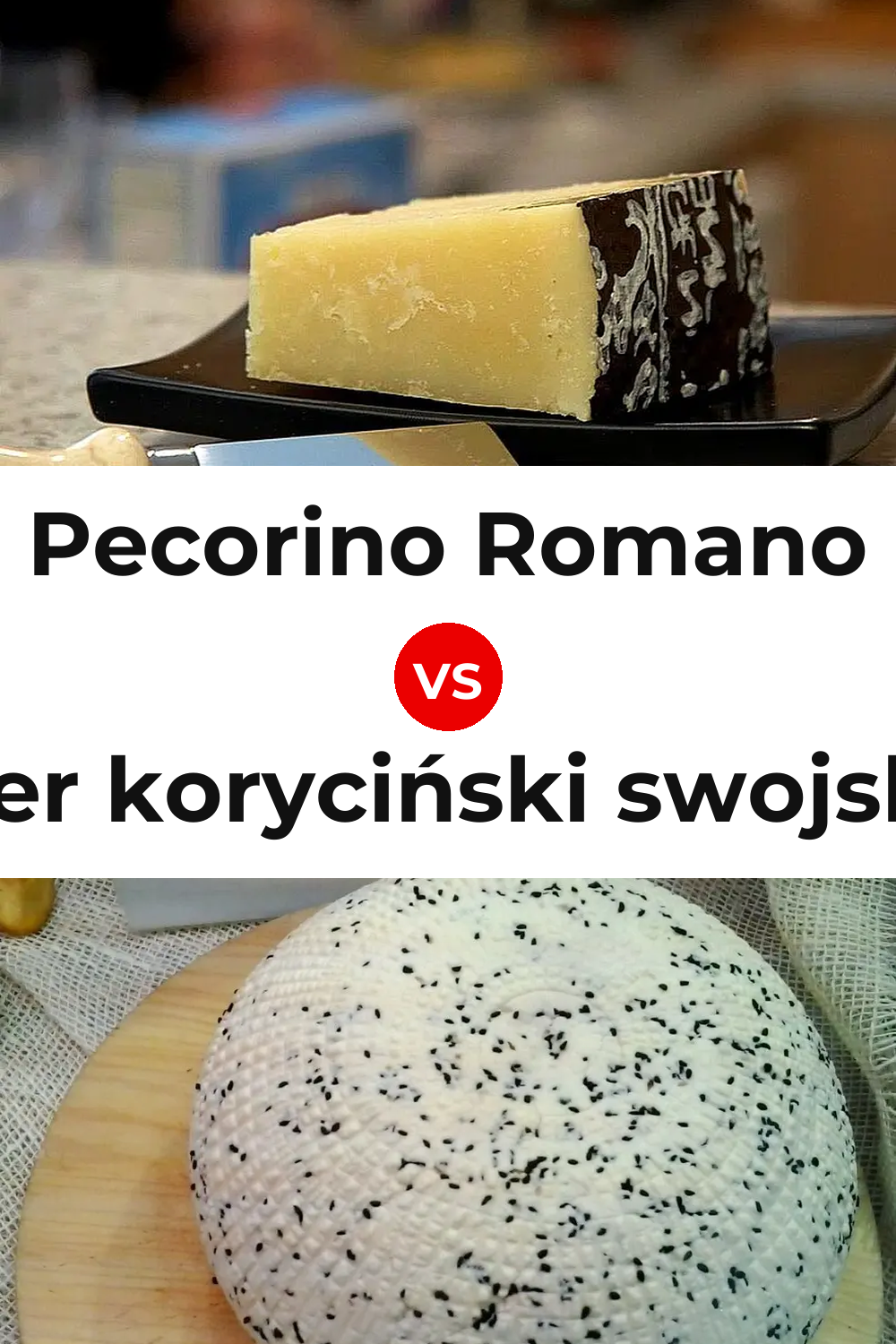
Pecorino Romano Cheese is a hard sheep-milk cheese from Italy, while Ser koryciński swojski Cheese is fresh: wet, very elastic; matured: moist, elastic; ripe: slightly moist, elastic and made from cow milk.
Buy Pecorino Romano Cheese
Buy Ser koryciński swojski Cheese
What Is Pecorino Romano Cheese?
Pecorino Romano is a hard, salty Italian cheese made only from sheep milk, most often grated over pasta. It began in the countryside around Rome and is now made almost entirely in Sardinia.
What Is Ser koryciński swojski Cheese?
Ser koryciński swojski is a rennet cheese from the Korycin area of Poland's Podlaskie province, made from unpasteurised cow's milk. It is shaped into a flattened ball of about 3 kg and sold plain or with herbs, spices and garlic.
What's the Difference Between Pecorino Romano Cheese and Ser koryciński swojski Cheese?
- Milk type: Pecorino Romano Cheese (sheep's milk), Ser koryciński swojski Cheese (Cow's milk)
- Texture: Pecorino Romano Cheese (Hard), Ser koryciński swojski Cheese (Fresh: Wet, very elastic; Matured: Moist, elastic; Ripe: Slightly moist, elastic)
- Rind: Pecorino Romano Cheese (Pale yellow to brown or black), Ser koryciński swojski Cheese (Delicate yellow rind with a whitish bloom on the outside (ripe stage))
- Aging: Pecorino Romano Cheese (5–8 months or longer), Ser koryciński swojski Cheese (Fresh: 2-4 days; Matured: 5-14 days; Ripe: More than 14 days)
- Taste: Pecorino Romano Cheese (Sharp, salty), Ser koryciński swojski Cheese (Fresh: Mild and creamy; Matured: Slightly salty with a nutty overtone; Ripe: Dry, rather salty with a nutty taste)
Side-by-Side Comparison
| Pecorino Romano Cheese | Ser koryciński swojski Cheese | |
|---|---|---|
| Country of Origin | Italy | — |
| Specific Origin | Lazio, Sardinia, Grosseto | Korycin, Suchowola, And Janów In Podlaskie Province |
| Milk Type | Sheep's milk | Cow's milk |
| Milk Treatment | — | Raw or pasteurised |
| Texture | Hard | Fresh: Wet, very elastic; Matured: Moist, elastic; Ripe: Slightly moist, elastic |
| Rind | Pale yellow to brown or black | Delicate yellow rind with a whitish bloom on the outside (ripe stage) |
| Aging | 5–8 months or longer | Fresh: 2-4 days; Matured: 5-14 days; Ripe: More than 14 days |
| Taste | Sharp, salty | Fresh: Mild and creamy; Matured: Slightly salty with a nutty overtone; Ripe: Dry, rather salty with a nutty taste |
Taste Comparison: Does Pecorino Romano Cheese Taste Like Ser koryciński swojski Cheese?
Pecorino Romano Cheese reads as sharp, salty, while Ser koryciński swojski Cheese brings fresh: mild and creamy; matured: slightly salty with a nutty overtone; ripe: dry, rather salty with a nutty taste character. On the nose, Pecorino Romano Cheese offers strong, contrasted with Ser koryciński swojski Cheese's fresh: dominant aroma of fresh butter; matured: slight aroma of dried cheese; ripe: aroma of dried cheese. More specifically, Pecorino Romano Cheese shows bright, tangy notes balancing sheepy sweetness with salinity, crumbles nicely, while Ser koryciński swojski Cheese leans toward nutty overtone. Aging plays into this as well. Pecorino Romano Cheese at 5–8 months or longer develops a different profile than Ser koryciński swojski Cheese at fresh: 2-4 days; matured: 5-14 days; ripe: more than 14 days.
Can You Substitute Pecorino Romano Cheese for Ser koryciński swojski Cheese?
Pecorino Romano Cheese can stand in for Ser koryciński swojski Cheese in many dishes, but the switch will shift the overall character of the recipe. Expect hard bite and body where the recipe calls for fresh: wet, very elastic; matured: moist, elastic; ripe: slightly moist, elastic. Flavor-wise, Pecorino Romano Cheese reads as sharp, salty while Ser koryciński swojski Cheese brings fresh: mild and creamy; matured: slightly salty with a nutty overtone; ripe: dry, rather salty with a nutty taste notes.
Which Is Better, Pecorino Romano Cheese or Ser koryciński swojski Cheese?
There's no single winner. It depends on your recipe and the profile you want. If you want a hard cheese, go with Pecorino Romano Cheese. For a fresh: wet, very elastic; matured: moist, elastic; ripe: slightly moist, elastic profile, Ser koryciński swojski Cheese is the better fit. Flavor-wise, Pecorino Romano Cheese suits recipes that want sharp, salty notes, while Ser koryciński swojski Cheese fits dishes calling for fresh: mild and creamy; matured: slightly salty with a nutty overtone; ripe: dry, rather salty with a nutty taste.
Which is your favorite?
One click, anonymous. See what others chose.
Frequently Asked Questions
Is Pecorino Romano Cheese the same as Ser koryciński swojski Cheese?
No, they're distinct cheeses. Pecorino Romano Cheese is made from sheep milk; Ser koryciński swojski Cheese uses cow. Aging also differs: Pecorino Romano Cheese is typically aged 5–8 months or longer, Ser koryciński swojski Cheese fresh: 2-4 days; matured: 5-14 days; ripe: more than 14 days.
Is Pecorino Romano Cheese similar to Ser koryciński swojski Cheese?
Not closely. They use different milk bases and have distinct profiles.
Can I substitute Pecorino Romano Cheese for Ser koryciński swojski Cheese?
You can, but expect a shift in richness and milk character.
Does Pecorino Romano Cheese taste like Ser koryciński swojski Cheese?
Pecorino Romano Cheese reads as sharp, salty, while Ser koryciński swojski Cheese is fresh: mild and creamy; matured: slightly salty with a nutty overtone; ripe: dry, rather salty with a nutty taste. Aromas also diverge. Pecorino Romano Cheese leans strong, and Ser koryciński swojski Cheese is closer to fresh: dominant aroma of fresh butter; matured: slight aroma of dried cheese; ripe: aroma of dried cheese.
What is Pecorino Romano Cheese made of?
Pecorino Romano Cheese is made from sheep milk, using animal (sheep) rennet. It's typically aged 5–8 months or longer. It originates in Italy.
What is Ser koryciński swojski Cheese made of?
Ser koryciński swojski Cheese is made from cow milk (raw or pasteurised), using yes rennet. It's typically aged fresh: 2-4 days; matured: 5-14 days; ripe: more than 14 days.
Which should I choose, Pecorino Romano Cheese or Ser koryciński swojski Cheese?
It depends on the dish. The texture difference is the biggest practical tell. Pecorino Romano Cheese is hard, while Ser koryciński swojski Cheese is fresh: wet, very elastic; matured: moist, elastic; ripe: slightly moist, elastic.