
Comté Cheese vs Ser koryciński swojski Cheese
Comté Cheese
Ser koryciński swojski Cheese
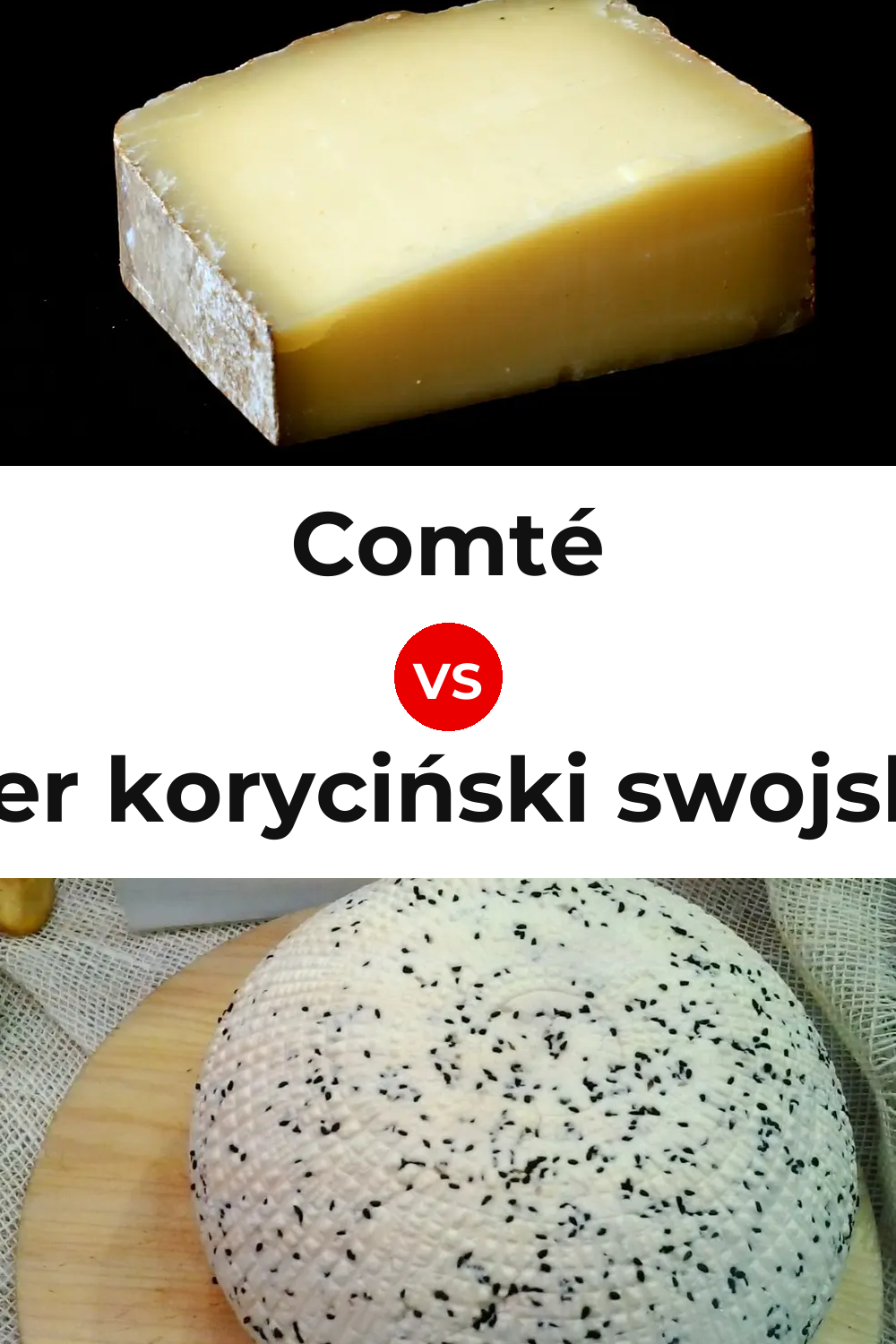
Comté Cheese is a smooth; semi-hard cow-milk cheese from France, while Ser koryciński swojski Cheese is fresh: wet, very elastic; matured: moist, elastic; ripe: slightly moist, elastic and made from cow milk.
Buy Comté Cheese
Buy Ser koryciński swojski Cheese
What Is Comté Cheese?
Comté is a hard cheese from eastern France, made daily from raw cow's milk in village dairies called fruitières. It holds PDO status, has the largest production of any French PDO cheese, and tastes mild, nutty, salty and slightly sweet.
What Is Ser koryciński swojski Cheese?
Ser koryciński swojski is a rennet cheese from the Korycin area of Poland's Podlaskie province, made from unpasteurised cow's milk. It is shaped into a flattened ball of about 3 kg and sold plain or with herbs, spices and garlic.
What's the Difference Between Comté Cheese and Ser koryciński swojski Cheese?
- Texture: Comté Cheese (Smooth; Semi-hard), Ser koryciński swojski Cheese (Fresh: Wet, very elastic; Matured: Moist, elastic; Ripe: Slightly moist, elastic)
- Rind: Comté Cheese (Natural), Ser koryciński swojski Cheese (Delicate yellow rind with a whitish bloom on the outside (ripe stage))
- Aging: Comté Cheese (4 months to 3 years), Ser koryciński swojski Cheese (Fresh: 2-4 days; Matured: 5-14 days; Ripe: More than 14 days)
- Taste: Comté Cheese (Nutty, creamy, sweet to meaty, roasted), Ser koryciński swojski Cheese (Fresh: Mild and creamy; Matured: Slightly salty with a nutty overtone; Ripe: Dry, rather salty with a nutty taste)
Side-by-Side Comparison
| Comté Cheese | Ser koryciński swojski Cheese | |
|---|---|---|
| Country of Origin | France | — |
| Specific Origin | Massif Du Jura | Korycin, Suchowola, And Janów In Podlaskie Province |
| Milk Type | Cow's Milk | Cow's milk |
| Milk Treatment | Raw | Raw or pasteurised |
| Texture | Smooth; Semi-hard | Fresh: Wet, very elastic; Matured: Moist, elastic; Ripe: Slightly moist, elastic |
| Rind | Natural | Delicate yellow rind with a whitish bloom on the outside (ripe stage) |
| Aging | 4 months to 3 years | Fresh: 2-4 days; Matured: 5-14 days; Ripe: More than 14 days |
| Taste | Nutty, creamy, sweet to meaty, roasted | Fresh: Mild and creamy; Matured: Slightly salty with a nutty overtone; Ripe: Dry, rather salty with a nutty taste |
Taste Comparison: Does Comté Cheese Taste Like Ser koryciński swojski Cheese?
Comté Cheese reads as nutty, creamy, sweet to meaty, roasted, while Ser koryciński swojski Cheese brings fresh: mild and creamy; matured: slightly salty with a nutty overtone; ripe: dry, rather salty with a nutty taste character. More specifically, Comté Cheese shows nutty, creamy, sweet through more meaty and roasted flavors, smooth texture, range of ages from 4 months to 3 years, while Ser koryciński swojski Cheese leans toward nutty overtone. Aging plays into this as well. Comté Cheese at 4 months to 3 years develops a different profile than Ser koryciński swojski Cheese at fresh: 2-4 days; matured: 5-14 days; ripe: more than 14 days.
Can You Substitute Comté Cheese for Ser koryciński swojski Cheese?
In most recipes, Comté Cheese and Ser koryciński swojski Cheese can be swapped with reasonable results. Both are cow-milk cheeses, so the base character carries over. Expect smooth; semi-hard bite and body where the recipe calls for fresh: wet, very elastic; matured: moist, elastic; ripe: slightly moist, elastic. Flavor-wise, Comté Cheese reads as nutty, creamy, sweet to meaty, roasted while Ser koryciński swojski Cheese brings fresh: mild and creamy; matured: slightly salty with a nutty overtone; ripe: dry, rather salty with a nutty taste notes.
Which Is Better, Comté Cheese or Ser koryciński swojski Cheese?
There's no single winner. It depends on your recipe and the profile you want. If you want a smooth; semi-hard cheese, go with Comté Cheese. For a fresh: wet, very elastic; matured: moist, elastic; ripe: slightly moist, elastic profile, Ser koryciński swojski Cheese is the better fit. Flavor-wise, Comté Cheese suits recipes that want nutty, creamy, sweet to meaty, roasted notes, while Ser koryciński swojski Cheese fits dishes calling for fresh: mild and creamy; matured: slightly salty with a nutty overtone; ripe: dry, rather salty with a nutty taste.
Which is your favorite?
One click, anonymous. See what others chose.
Frequently Asked Questions
Is Comté Cheese the same as Ser koryciński swojski Cheese?
No, they're distinct cheeses. Aging also differs: Comté Cheese is typically aged 4 months to 3 years, Ser koryciński swojski Cheese fresh: 2-4 days; matured: 5-14 days; ripe: more than 14 days.
Is Comté Cheese similar to Ser koryciński swojski Cheese?
Somewhat. They share a cow-milk base but diverge in texture and flavor.
Can I substitute Comté Cheese for Ser koryciński swojski Cheese?
You can, but expect a shift in bite and mouthfeel.
Does Comté Cheese taste like Ser koryciński swojski Cheese?
Comté Cheese reads as nutty, creamy, sweet to meaty, roasted, while Ser koryciński swojski Cheese is fresh: mild and creamy; matured: slightly salty with a nutty overtone; ripe: dry, rather salty with a nutty taste.
What is Comté Cheese made of?
Comté Cheese is made from cow milk (raw). It's typically aged 4 months to 3 years. It originates in France.
What is Ser koryciński swojski Cheese made of?
Ser koryciński swojski Cheese is made from cow milk (raw or pasteurised), using yes rennet. It's typically aged fresh: 2-4 days; matured: 5-14 days; ripe: more than 14 days.
Which should I choose, Comté Cheese or Ser koryciński swojski Cheese?
It depends on the dish. The texture difference is the biggest practical tell. Comté Cheese is smooth; semi-hard, while Ser koryciński swojski Cheese is fresh: wet, very elastic; matured: moist, elastic; ripe: slightly moist, elastic.