Bryndza Podhalańska 
Bryndza Podhalańska is a soft brined sheep's milk cheese from the Podhale region on the northern side of the Tatras in Poland. In 2007 it became the first Polish product registered in the EU scheme for protected designations of origin.
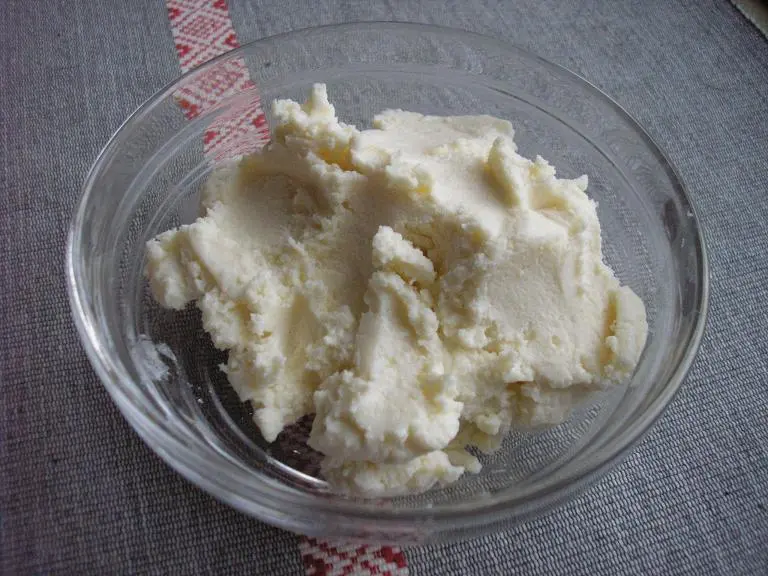
Maciarka, CC BY-SA 3.0, via Wikimedia Commons
Key Facts
| Country of Origin | Poland |
| Specific Origin | Nowotarski district, Tatrzański district, and parts of the Żywiecki district in the Podhale region |
| Protection | PDO (2005) |
| Milk Type | Ewes' milk (Polish Mountain Sheep), Cows' milk (Polish Red) |
| Fat Content | Not less than 38% in dry matter |
| Moisture Content | Not more than 60% |
| Texture | Soft |
| Flavor | Strong, salty or slightly salty, sometimes slightly sour |
| Colors | White, creamy-white, or with a willow green shade |
| Age | Produced from May to September |
| Rennet Type | Yes, used in the production process |
| Alternative Spellings | Brynza podgalyanskaya; Brynza podkhalyanskaya |
What is Bryndza Podhalańska Cheese?
Bryndza Podhalańska comes from Podhale, on the northern spurs of the Tatras in Poland. Shepherds drove their flocks to high pastures and stayed there more than half the year, living almost entirely on what the sheep gave them. Recipes and small production tricks passed from father to son. The first written mention dates to 1527, in a record showing the cheese used as a unit of currency. Vlachs migrating through the Western Carpathians were the first to make it, and their kitchen habits took hold in southeastern Poland.
The milk comes from Polish Mountain sheep. Cow's milk is sometimes added, but it can never exceed 40 percent of the total mass. Ripened sheep curd is rubbed between the fingers and kneaded like dough until the mass turns uniform, with salt worked in during the rubbing. It is then pressed into wooden kegs so no air bubbles remain and left under a weight for at least 10 days, which is where the piquant, faintly bitter taste develops. Almost all stages are still carried out by hand, and the mountain plants the sheep graze in summer shape the flavor.
The cheese is soft, with an even surface that sometimes cracks a little. There is no set form; the shape depends on the molds a given producer uses. Color runs from white to creamy white, and sometimes greenish blue, occasionally as far as aquamarine. The body is uniform and pasty, at times slightly grainy. The taste is sharp and moderately salty with a bitter edge.
It is eaten as an appetizer with bread, stirred into pasta and potato dishes, and used as a filling for pelmeni and vareniki.
How Does Bryndza Podhalańska Cheese Compare?
The most relevant cheeses to compare Bryndza Podhalańska against.


