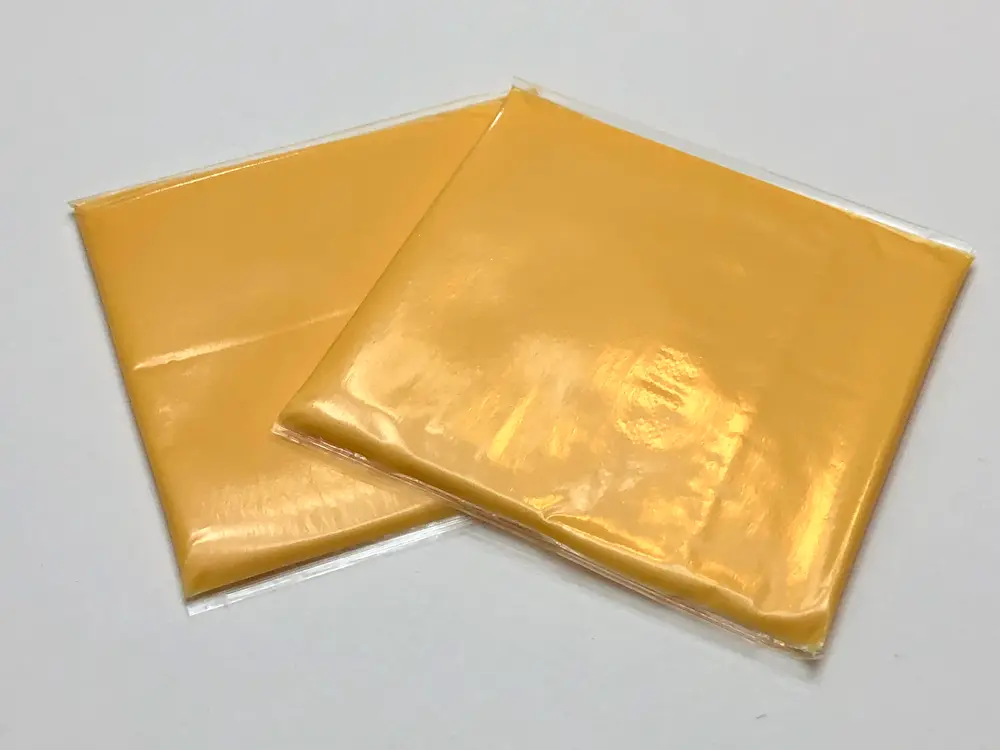
Cup Cheese
Cup cheese is a soft, spreadable cheese from Pennsylvania Dutch kitchens, sold in the cup that gave it its name. It descends from the German cooked cheese Kochkäse and is known for a smell strong enough to split opinion at the table.
Key Facts
| Country of Origin | United States |
| Specific Origin | Pennsylvania |
| Milk Type | Cow's milk |
| Milk Treatment | Unpasteurized |
| Texture | Soft, artisan |
| Flavor | Sharp, sour, strong |
| Aroma | Strong |
| Colors | Yellowish paste |
| Forms | Cups |
What is Cup Cheese?
Cup cheese is a soft, spreadable cheese rooted in Pennsylvania Dutch culinary history. Its heritage goes back to the Mennonites and Amish who immigrated to Pennsylvania in the late 17th century. It is a variation of the German cheese Kochkäse.
The name comes from the packaging. It is a specialty food sold in a cup, and the label follows the container.
James A. Michener described it in his 1974 novel Centennial. There it appears as a yellowish viscous substance that few people would identify as cheese, closer to very thick, very cold molasses, made by German farmers of Lancaster County using a simple method they worked out by old accident. The character eating it says it smells stronger than limburger and tastes better.
In that same passage it is spread copiously on a corner of black bread. Not everyone at the table agrees about it. One character calls it too smelly; another holds the bread to his nose and inhales.
How Does Cup Cheese Compare?
The most relevant cheeses to compare Cup Cheese against.