
Roquefort Cheese 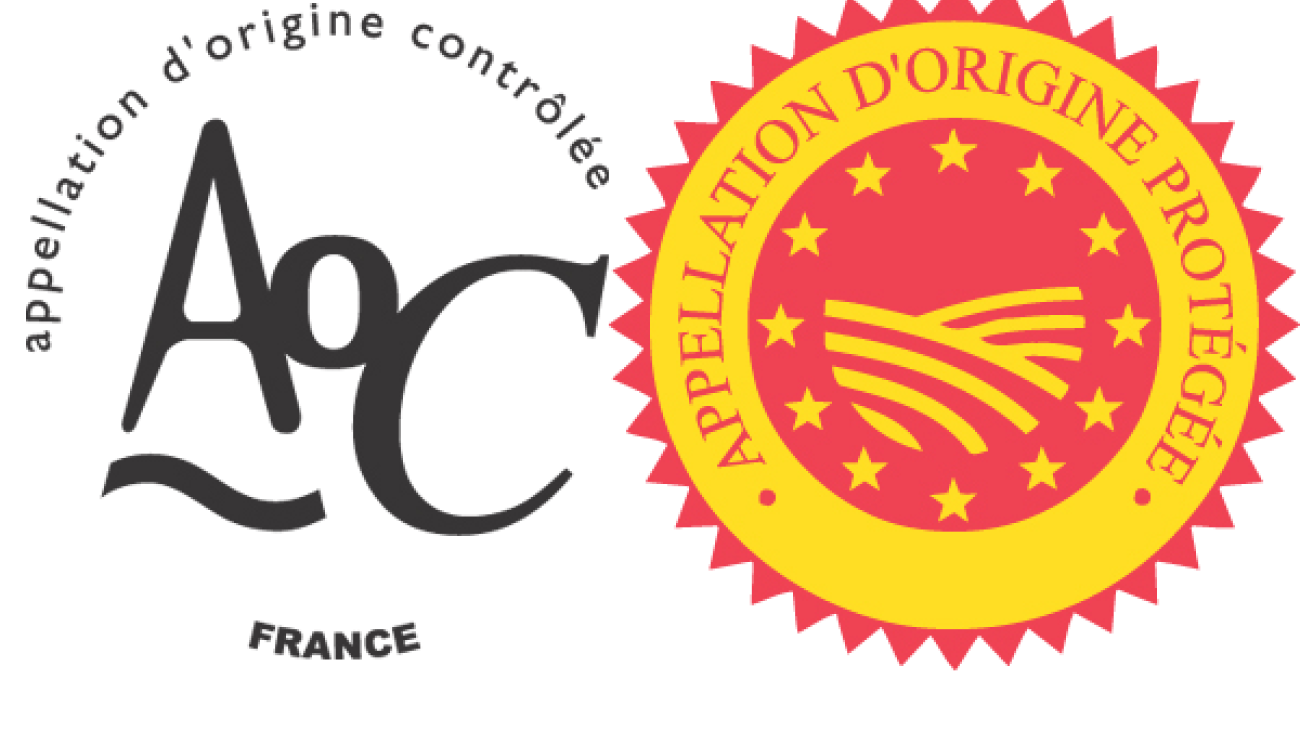
Roquefort cheese is a semi-soft blue cheese made from raw sheep's milk. It comes from Roquefort-sur-Soulzon in the south of France. It is white, creamy and tangy, with blue veins that add a sharp flavor.
Buy Roquefort Cheese online

Key Facts
| Country of Origin | France |
| Specific Origin | Roquefort-sur-Soulzon, south of France |
| Protection | PDO (1996), AOC (1925) |
| Milk Type | Sheep's milk |
| Milk Treatment | Unpasteurized |
| Rind | None |
| Texture | Semi-soft, creamy, blue-veined |
| Flavor | Mild to strong |
| Aroma | Sweet |
| Colors | Blue-veined |
| Forms | Wheels, wrapped in impermeable foil |
| Age | Minimum of 90 days, average of 5 months |
| Rennet Type | Animal |
| Alternative Spellings | Ròcafòrt |
| Also Known As | Roquefort AOP, Roquefort AOC, Roquefort PDO |
What is Roquefort Cheese?
Roquefort comes from southern France. EU law reserves the name for cheese aged in the natural Combalou caves of Roquefort-sur-Soulzon, in the Occitania region. On 4 June 1411, Charles VI granted the people of the village a monopoly on ripening it. Production reached 300 tonnes a year by 1820 and 9,250 by 1914. In 1925 it became the first cheese in France to receive an Appellation d'Origine Contrôlée, and in 1961 a court at Millau ruled that only cheese ripened in the caves of Mont Combalou could use the name.
The cheese is made entirely from the milk of Lacaune sheep. The milk has to be whole, raw and never heated above 34 °C (93 °F), and rennet must be added within 48 hours of milking. The Penicillium roqueforti behind the veining is grown in France from the caves themselves, and salting is done with dry salt. About 4.5 litres of milk go into one kilogram (2.2 lb) of finished cheese. Seven producers make it, the largest by volume being Roquefort Société.
Roquefort is white, creamy and slightly moist, with veins of blue mold running through it. It has no rind, and the exterior is edible and a little salty. The flavor carries a taste of butyric acid, while the veins bring a sharp tang. A typical wheel weighs 2.5 to 3 kg (5.5 to 6.6 lb) and measures about 10 cm (4 in) thick.
Around three million wheels, roughly 10,000 tonnes, are made each year, which puts Roquefort second only to Comté in France. In Aveyron and the surrounding area, cooks use it in main-course meat sauces, savory tarts and quiches, pies and fillings. The French often call it the king of cheeses, or the cheese of kings.
What Does Roquefort Cheese Taste Like?
Roquefort cheese tastes tangy and salty. The blue veins add a sharp flavor.
Some Roquefort is mild and as smooth as buttercream. Some is strong, salty and sharp.
The cheese has a sweet smell. In your mouth it feels creamy and slightly moist.
Roquefort ages for at least 90 days. On average it ages for about 5 months.
How Do Cooks Use Roquefort Cheese?
Cooks in and around Aveyron, the part of France where Roquefort is made, use it in many local recipes:
- Sauces for meat main courses
- Savory tarts and quiches
- Pies and fillings
Substitutes for Roquefort Cheese
These cheeses are semi-soft and blue-veined like Roquefort. All four are made from cow's milk, not sheep's milk.
- Stilton Cheese is an English blue cheese. It is crumbly where Roquefort is creamy, and its flavor is spicy and strong.
- Bleu d'Auvergne Cheese is a French blue cheese that is creamy like Roquefort. It has an intense blue flavor and a strong smell.
- Gorgonzola Cheese is an Italian blue cheese with a crumbly texture and a nutty smell. Its flavor ranges from sweet to savory.
- Danish Blue Cheese is a blue cheese from Denmark. Its salty, tangy flavor is close to the taste of Roquefort.
Can You Eat the Rind of Roquefort Cheese?
Roquefort has no rind. You can eat the outside of the cheese, which tastes slightly salty.
Where to Buy Roquefort Cheese
Buy Roquefort Cheese online
Frequently Asked Questions
What is Roquefort cheese ripened by?
Roquefort is ripened by the blue mold Penicillium roqueforti, which forms the blue veins in the cheese. This mold does not make penicillin. Shepherds in country areas once put Roquefort on wounds to try to prevent gangrene, because the cheese contains other proteins that fight inflammation.
Who produces Roquefort cheese?
As of 2009, there were seven Roquefort producers. The largest by far is Roquefort Société, made by the Société des Caves de Roquefort, which has been owned by Lactalis since 1990. The others are Papillon, Carles, Gabriel Coulet, Fromageries occitanes, Vernières and Le Vieux Berger.
Where is Roquefort cheese from?
Roquefort is made across the Aveyron department of southern France and in parts of the nearby Aude, Lozère, Gard, Hérault and Tarn departments. But the ripening, cutting, packaging and chilling of the cheese must all happen in Roquefort-sur-Soulzon.
What is Roquefort cheese made from?
Roquefort is made only from raw milk from Lacaune sheep. Before France's protected-name rules began in 1925, cheesemakers sometimes added a small amount of cow's or goat's milk. Today the milk must also come from the sheep at least 20 days after they have given birth to their lambs.
What are the Roquefort AOC rules?
The AOC rules are official French rules that protect the Roquefort name. They say the sheep must graze on pasture whenever possible, in an area that covers most of Aveyron. At least 75% of their grain or other feed must come from that area. The milk may be filtered only to remove particles you can see.
How Does Roquefort Cheese Compare?
The most relevant cheeses to compare Roquefort against.


