
Cancoillotte
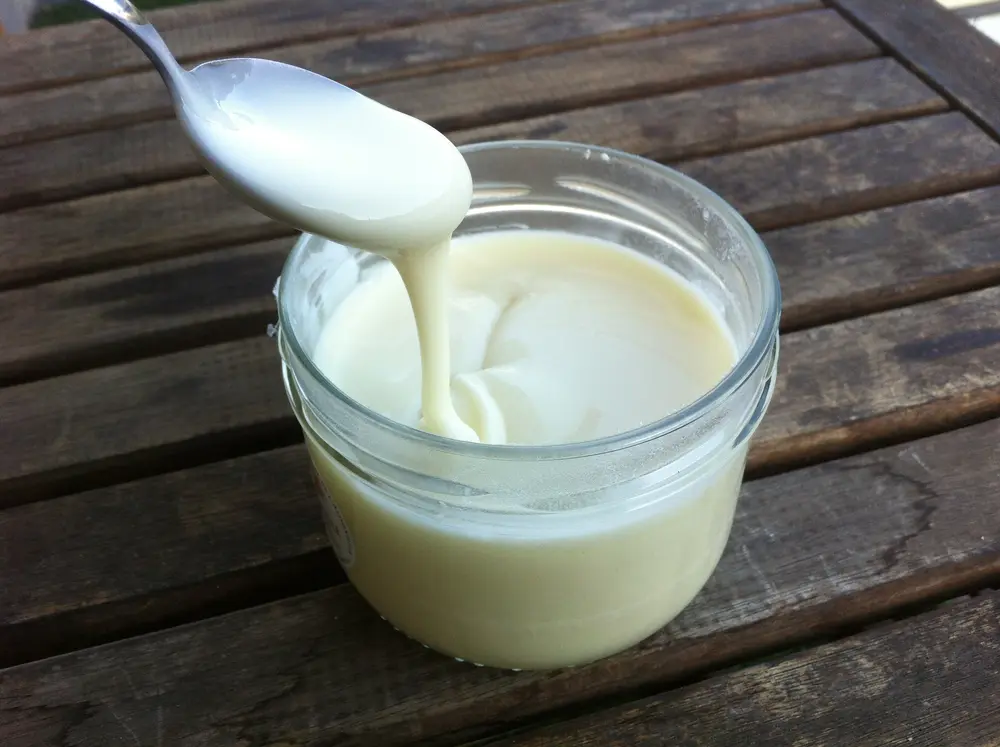
Cancoillotte is a runny French cheese made by melting metton cheese with water or milk, salt and often butter. It comes from Franche-Comte and is eaten cold or hot, plain or flavored with garlic, wine or cumin.
Find Cancoillotte Cheese
Key Facts
| Country of Origin | France |
| Specific Origin | Franche-Comte |
| Milk Type | Cow's milk |
| Milk Treatment | Skim |
| Fat Content | Almost none when made from pure metton, higher in commercial versions |
| Rind | None |
| Texture | Smooth, creamy |
| Flavor | Varies |
| Colors | Golden yellow (metton) |
| Forms | Tubs averaging 200 g (7 oz) |
| Rennet Type | Rennet |
| Also Known As | Cancoyotte |
What is Cancoillotte Cheese?
Cancoillotte was first made in the village of Oyrieres, near Champlitte in Haute-Saone. It goes back at least to the 16th century. The name is more recent, coined in the 19th century from "coille", a form of cailler, meaning to curdle, and pointing to the milk left over once the cream has been taken off.
The cheese starts as metton. Melting it over a small flame with a little water or milk gives cancoillotte, and salt or butter goes in before serving. Garlic is a common addition. Commercial makers have added wine, cumin and other flavorings.
Texture depends on how it is made. Pure melted metton is much stickier than the versions sold in shops, which carry more fat and more calories because of the butter added to make them sweeter and softer. Cancoillotte made from metton and water alone is close to fat free.
It is eaten year round, cold or hot, and is a fixture of Franc-Comtois cooking. Beyond Franche-Comte it is also produced in Lorraine and Luxembourg, where it goes by Kachkeis or Kochkase. Luxembourgers usually spread it on an open sandwich smeared with mustard. Supermarkets in eastern France sell it pre-melted, in portions averaging 200 grams (7 oz).
How Does Cancoillotte Cheese Compare?
The most relevant cheeses to compare Cancoillotte against.


