
Chevrotin 
Chevrotin is a soft goat milk cheese from Savoy in France, made with unpasteurised milk and ripened at least three weeks on pine shelves. It holds an AOC and is known for a full flavor with a sourness that recalls wild mountain herbs.
Find Chevrotin Cheese
Key Facts
| Country of Origin | France |
| Specific Origin | Savoie and Haute-Savoie |
| Protection | PDO (2003), AOC (2002), AOP (2005) |
| Milk Type | Goat's Milk |
| Milk Treatment | Unpasteurized |
| Rind | Washed-rind |
| Texture | Soft, unctuous |
| Flavor | Mild, Caprine |
| Aroma | Gentle Caprine, woody, farmyard |
| Colors | Pinkish, ivory |
| Forms | Small rounds |
| Age | 21+ days |
| Rennet Type | Rennet |
What is Chevrotin Cheese?
Chevrotin has been made since the 17th century in the Alpine foothills of the Savoyard Chablais, Bauges and Aravis districts. Farming is hard there. Steep gradients, a damp climate and thin limestone soil support only a restricted vegetation, and goats are the one domesticated animal that can feed on it, moving with the same sure-footedness as the chamois higher up. The cheese received the Appellation d'Origine Controlee and protected designation of origin in 2002.
It is made from filtered but unpasteurised goat milk, and the AOC rules require a herd that is 80% alpine breed. Production stays small and artisanal. This is a fresh cheese with a short maturation: three weeks minimum, on pine timber shelves, with each cheese turned and washed in brine three times a week.
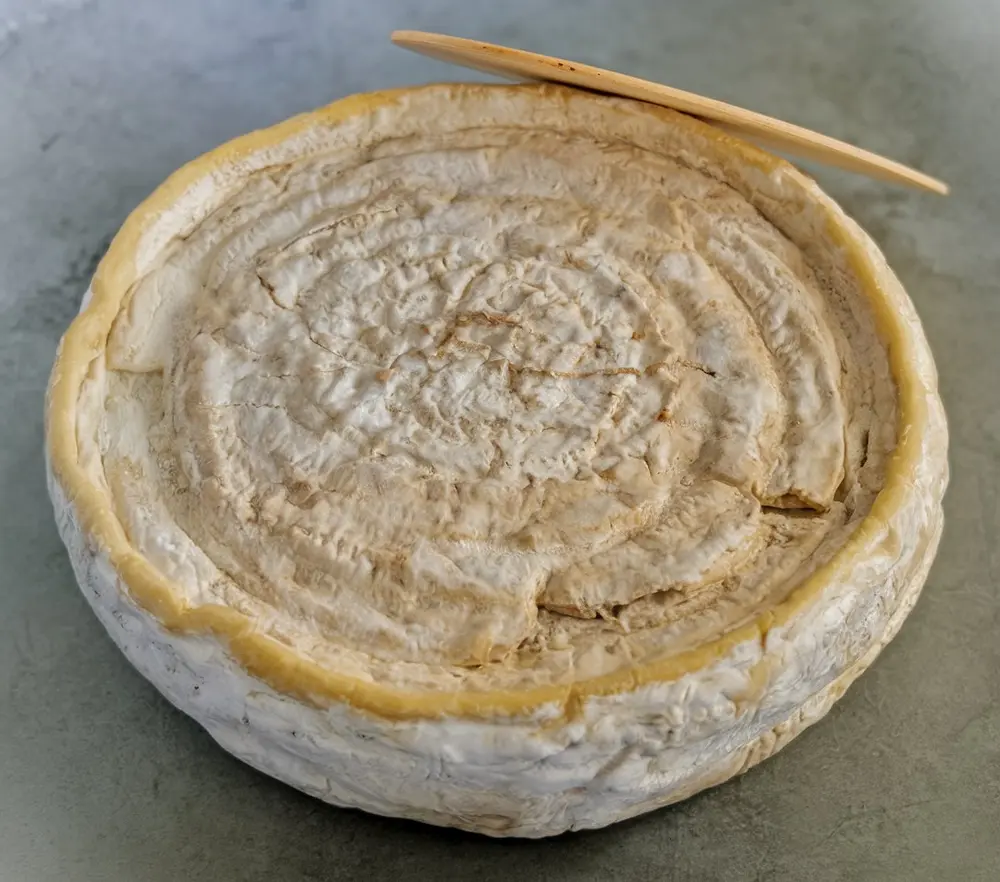
The finished cheese is a flattened cylinder, 9 to 12 cm across and 3 to 4.5 cm thick, weighing 250 to 350 g. A thin reddish-brown coating covers it, not unlike the rind of Munster. It looks much like Reblochon, which comes from the same part of Savoy and is made by similar methods, though that cheese is produced lower down the valleys from cow's milk.
The flavor is full, with an aromatic sourness that carries the wild herbs the goats eat in spring and summer. Winter is different. The animals are housed in sheds and fed hay, and that diet does not give the subtle herb character enthusiasts look for. Eat it with bread at breakfast, or on a cheese board at the end of a meal, ideally about five weeks after it was made.
How Does Chevrotin Cheese Compare?
The most relevant cheeses to compare Chevrotin against.


