Toma
Toma is a soft to semi-hard Italian cow's milk cheese from the Aosta Valley and Piedmont. It melts exceptionally well, and its Piedmontese version, toma piemontese, carries PDO status under EU law.
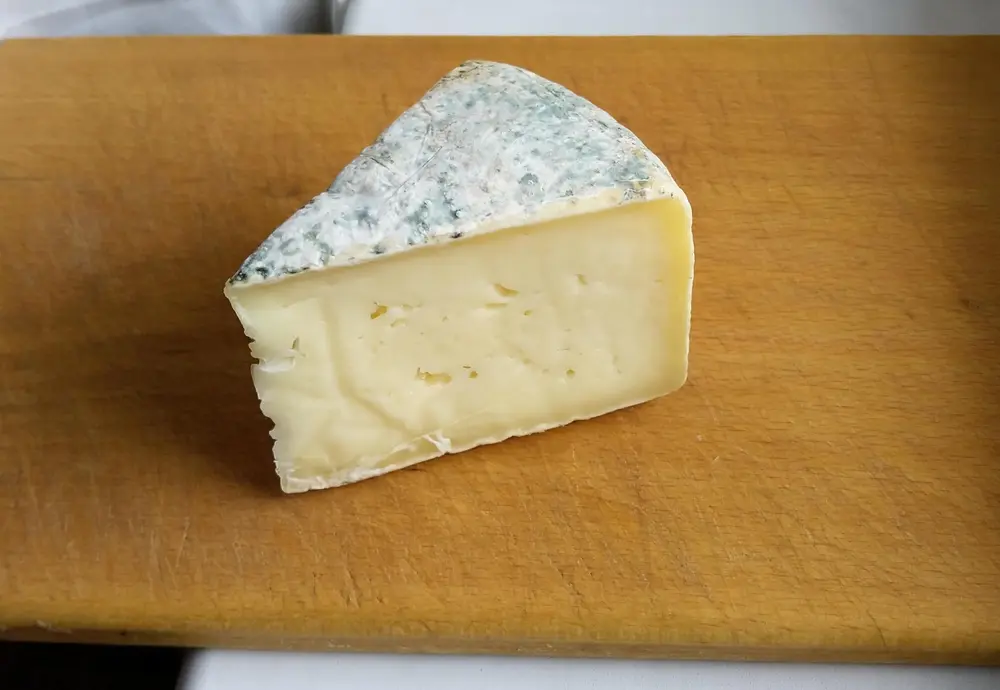
Yozh, CC BY-SA 4.0, via Wikimedia Commons
Key Facts
| Country of Origin | Italy |
| Specific Origin | Aosta Valley and Piedmont, Italy |
| Milk Type | Cow's milk |
| Milk Treatment | Pasteurized |
| Fat Content | 45% to 52% |
| Texture | Semi-hard |
| Also Known As | toma piemontese; toma di Gressoney; tomme de Gressoney; Toma Lucana |
What is Toma Cheese?
Toma comes from northern Italy, made mainly in the Aosta Valley and Piedmont. It counts as one of the Aosta Valley's specialties. The cheese is closely related to the French tomme, and what ends up under the Toma name shifts from region to region and even town to town.
Several versions carry official recognition. Toma piemontese, from Piedmont, holds protected designation of origin status under EU legislation. Toma di Gressoney, also called tomme de Gressoney in French, is made in the Gressoney Valley and is recognized as a prodotto agroalimentare tradizionale; it also appears in the Ark of Taste catalogue of heritage foods.
This is a cow's milk cheese, soft or semi-hard depending on the version, with a fat content that can run from 45% to 52%. Its best-known quality is how well it melts.
Toma is not widely made in central and southern Italy. Basilicata is the one significant producer there, and its Toma Lucana is likewise recognized as a prodotto agroalimentare tradizionale.
How Does Toma Cheese Compare?
The most relevant cheeses to compare Toma against.


