
Portuguese Cheese: Sheep, Goat and Cow's Milk Types
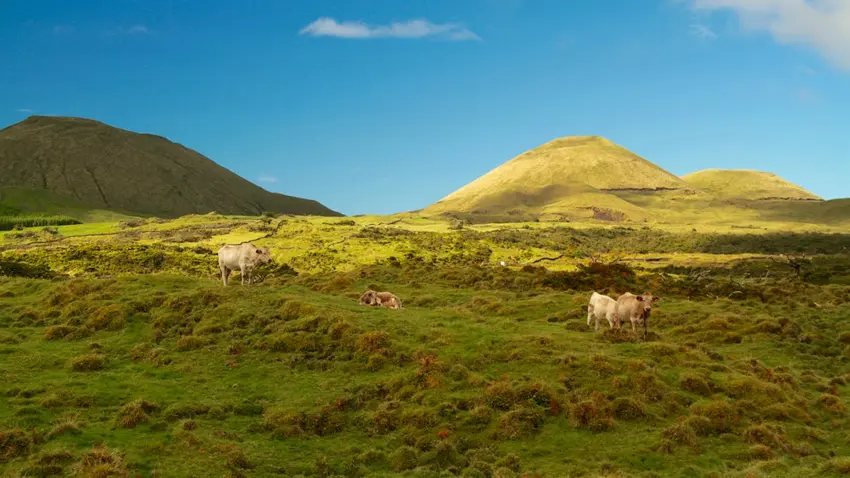
Portuguese cheese is made from sheep's, goat's or cow's milk, and some cheeses mix more than one kind of milk. Most have a strong flavor and smell. Many have a protected name that ties them to one town or region.
The most famous are queijo da serra from the Serra da Estrela region, Queijo São Jorge from the island of São Jorge in the Azores, and requeijão, according to the Wikipedia article on Portuguese cuisine. Traditional Portuguese cooking does not use cheese in recipes. People usually eat it on its own before or after the main dishes, or with bread at breakfast.
Main types of Portuguese cheese
Portuguese sheep's milk cheeses
Queijo Serra da Estrela, Queijo de Azeitão, Queijo Serpa and Queijo de Nisa are all Portuguese sheep cheeses. Serra da Estrela and Nisa are curdled with thistle, and Serpa is set with cardoon extract.
Portuguese goat's milk cheeses
Queijo de Cabra Transmontano is made from the raw milk of Serrana goats in Trás-os-Montes and ages for at least 60 days. Castelo Branco, Amarelo de Beira Baixa and Alverca are other Portuguese goat cheeses, though each can also be made from sheep's milk.
Portuguese cow's milk cheeses
Queijo São Jorge is made only on the island of São Jorge. It has a firm, brittle paste and a strong, slightly spicy taste. Queijo do Pico, from the island of Pico, cures for 20 to 30 days and stays soft inside. Both are Portuguese cow's milk cheeses.
Soft Portuguese cheeses
Young Queijo Serra da Estrela is so soft it is close to runny, and older cheeses become firm enough to slice. Castelo Branco, Queijo do Pico and Zimbro (a sheep's milk cheese soft enough to spread) are other soft Portuguese cheeses.
Semi-soft Portuguese cheeses
Queijo Serpa, Queijo mestiço de Tolosa and Bica de Queijo are semi-soft Portuguese cheeses. Bica de Queijo comes from Póvoa de Lanhoso and is made from a blend of unpasteurized cow's, goat's and sheep's milk.
Semi-hard Portuguese cheeses
Queijo de Azeitão, Queijo da Beira Baixa, Queijo de Évora and Queijo de Nisa are semi-hard Portuguese cheeses. Queijo da Beira Baixa is sold as Amarelo, Castelo Branco or Picante, and its flavor gets sharper with long curing. It and Queijo Serra da Estrela are both crumbly Portuguese cheeses.
Hard Portuguese cheeses
Queijo Terrincho is made from the raw milk of Churra da Terra Quente sheep, and its flavor and smell get stronger as it ages. Queijo São Jorge and Queijo Rabaçal are other hard Portuguese cheeses. Rabaçal is made by hand from sheep's and goat's milk in the Coimbra district.
Which Portuguese cheeses have protected names?
Many Portuguese cheeses have a protected designation of origin (PDO), which limits where they can be made. These include Queijo Serra da Estrela, Queijo de Azeitão, Queijo de Cabra Transmontano, Queijo Terrincho, Queijo Serpa, Queijo de Évora and Queijo da Beira Baixa. Castelo Branco, Rabaçal and Queijo do Pico have been protected since 1996.
Queijo mestiço de Tolosa is the only Portuguese cheese with a protected geographical indication (PGI). It is made in the parish of Tolosa, in the municipality of Nisa in Portalegre District, from a mix of sheep's and goat's milk.
Portuguese Cheeses
Portuguese Cheese Questions
What cheese is Portugal known for?
Portugal's most famous cheeses are queijo da serra from the Serra da Estrela region, Queijo São Jorge from the island of São Jorge in the Azores, and requeijão, a whey cheese. Queijo de Azeitão was also named one of the 50 best food products in the world at the 2014 Great Taste Awards.
What does Portuguese cheese taste like?
Most Portuguese cheeses have a very strong flavor and smell. Queijo São Jorge tastes strong and slightly spicy, and it gets sharper with age. Queijo de Évora is slightly sour with a light peppery taste. Some are milder. Bica de Queijo is buttery, mild and slightly salty, and Zimbro is sweet with herbal notes.
Is Portuguese cheese pasteurized?
Many traditional Portuguese cheeses are made from raw, unpasteurized milk. Examples are Queijo de Cabra Transmontano, Queijo Terrincho, Queijo Serpa, Queijo da Beira Baixa and Zimbro. Not every Portuguese cheese uses raw milk, though. Alverca is made from pasteurized goat's or sheep's milk, so check the label of the cheese you buy.
What is Portuguese fresh cheese?
Requeijão is a fresh whey cheese made in Portugal and Brazil. It is also called requeson. It can be made from cow's, goat's or sheep's milk and is close to ricotta. People use it in cheese spreads and in pastries such as queijada, a small Portuguese cheese tart.