Fontina 
Fontina is a cow's milk cheese from Italy's Aosta Valley, made there since the 12th century. It runs semisoft to hard, tastes creamy and nutty with earthy, mushroomy notes, and melts well enough to carry a fondue.
Key Facts
| Country of Origin | Italy |
| Specific Origin | Aosta Valley, Italy |
| Protection | PDO (1996) |
| Milk Type | Cow's milk |
| Milk Treatment | Raw (for traditional Italian Fontina), Pasteurized (for most American versions) |
| Fat Content | ~30-45% |
| Moisture Content | ~45-50% |
| Rind | Natural, Often Washed |
| Texture | Creamy , Smooth |
| Flavor | Mild, Buttery, Nutty |
| Aroma | Mild to Pungent (earthier in aged versions) |
| Colors | Pale Yellow to Golden |
| Forms | Wheel, Block, Sliced, Shredded |
| Age | Typically 2-3 months (can be aged longer for stronger flavor) |
| Rennet Type | Traditional (Animal) or Microbial (varies by producer) |
| Alternative Spellings | fontine (French) |
What is Fontina Cheese?
Fontina is a cow's milk cheese first produced in Italy. It has been made in the Aosta Valley, in the Alps, since the 12th century, and production later spread to the United States, Denmark, Sweden, Canada, France and Argentina.
The Aosta Valley version has a protected designation of origin. The rules require unpasteurized milk from a single milking, with two batches made each day. Fontina produced in the EU can be identified by a consortium stamp of the Matterhorn with the script FONTINA.
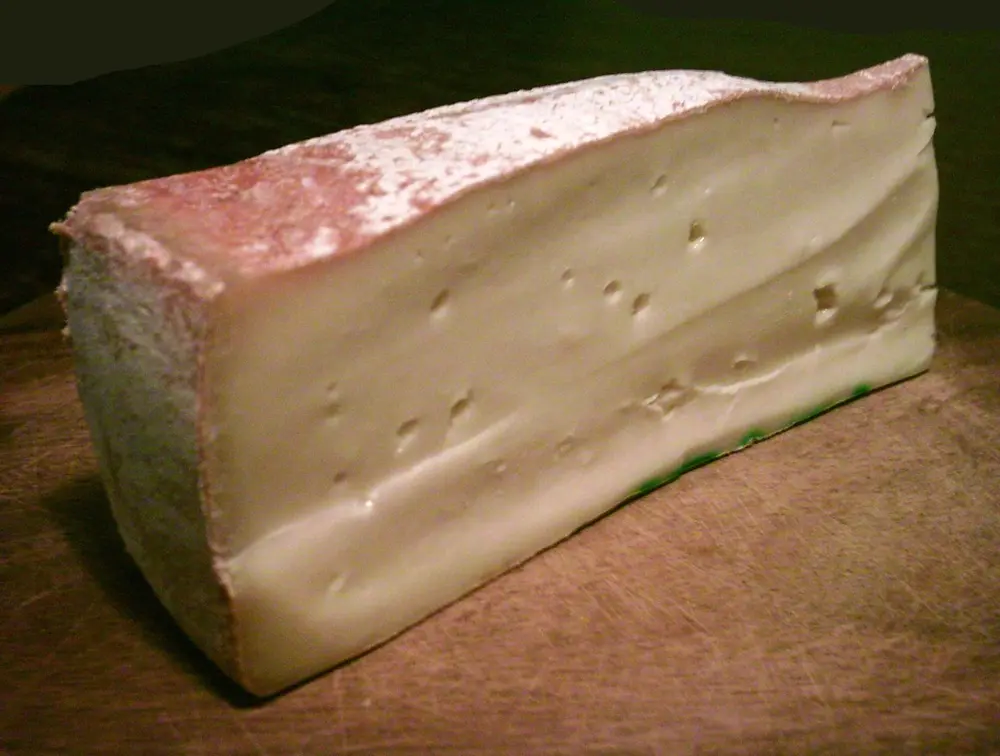
Texture ranges from semisoft to hard, and flavor from mild to medium sharp, with milk fat around 45 percent. The interior is pale cream and riddled with holes called eyes, under a natural rind that ages tan to orange brown. Aostan fontina tastes earthy, mushroomy and woody, and the nuttiness grows with age. Versions from Sweden, Denmark and the United States are milder and softer with more holes.
Young fontina is soft enough for fondue. Fonduta alla valdostana whips it with milk, eggs and truffles. Mature fontina is hard but still melts well. It pairs with roast meats and truffles, and one suggested wine match is Nebbiolo.
How Does Fontina Cheese Compare?
The most relevant cheeses to compare Fontina against.


