Pecorino Crotonese 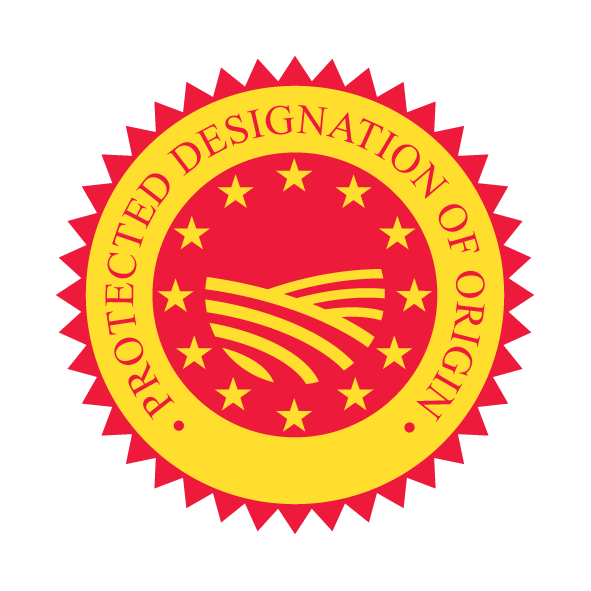
Pecorino Crotonese is an Italian sheep's milk cheese and one of the pecorino varieties registered with the EU as a protected designation of origin. Pecorino is the family name for Italy's sheep's milk cheeses, and every region makes its own.
Key Facts
| Country of Origin | Italy |
| Specific Origin | Provinces of Crotone, Catanzaro, and Cosenza |
| Protection | PDO (2013) |
| Milk Type | Whole sheep's milk |
| Milk Treatment | Raw, thermised, or pasteurised |
| Fat Content | At least 40% in dry matter |
| Moisture Content | At least 30% |
| Rind | Fresh - thin; Semi-hard - thick, light brown; Ripened - hard, brown, may be coated with olive oil or olive dregs |
| Texture | Fresh - soft, regular, creamy; Semi-hard - firm; Ripened - slightly straw-colored, firm |
| Flavor | Distinct, smooth, slightly tangy (fresh); Intense, well-balanced (semi-hard); Intense, distinct, slight piquant aftertaste (ripened) |
| Aroma | Light scent of sheep's milk mixed with hay, mature wild grasses, hazelnut, and smoke |
| Colors | Fresh - milky white; Semi-hard - light brown rind; Ripened - slightly straw-colored |
| Forms | Fresh, semi-hard, ripened, grated |
| Age | Fresh, semi-hard, ripened (more than six months for ripened) |
| Rennet Type | Kid rennet paste |
What is Pecorino Crotonese Cheese?
Pecorino Crotonese is one of the Italian pecorino cheeses that hold a protected designation of origin with the EU. In early 2021 that register also listed Pecorino del Monte Poro, Pecorino delle Balze Volterrane, Pecorino di Picinisco and Pecorino di Filiano. The name pecorino comes from pecora, Italian for sheep, and on its own it is not a protected term.
Every region of Italy has its own pecorino, and several of those traditions run back centuries. The cheese was originally made from pure sheep's milk. Cheaper versions now blend in cow or goat milk, so wheels made only from sheep's milk carry the words tutto di latte di pecora or pecora completo.
Pecorino is made from raw milk. Rennet from the stomachs of kids and lambs goes into milk warmed to 36 to 38 °C, and the curd sets in about three quarters of an hour. The curd is cut, heated and stirred hard until it has given up enough whey, then tipped into basket molds that leave the woven pattern on the finished wheel. The young wheels are dipped in heated whey and drawn through boiling brine, or salted dry, which helps them keep. Roughly 90 percent of the milk leaves as whey and is turned into ricotta.
Wheels usually weigh about two kilograms. The paste is compact, sometimes with small holes, white in fresh cheese and straw yellow once ripened, while the rind darkens with age. Young cheese is comparatively soft and mild. With time it hardens and the taste turns more intense and piquant. All pecorinos share a nutty note and the lemony tang of sheep's cheese. Ripening runs from three months to a year, and the cheese is sold fresh, medium-ripe and fully ripened.
Young pecorino goes on a cheese board, or is eaten as a snack with olive bread, radicchio and plum tomatoes. Sliced, it is often served with strips of dried tomato and a little extra virgin olive oil. Aged wheels are grated and season fillings for mushrooms, tomatoes and other vegetables in southern Italian cooking. It is the main ingredient in the Roman pasta dish cacio e pepe, and a full-bodied red wine is the usual pour alongside.
How Does Pecorino Crotonese Cheese Compare?
The most relevant cheeses to compare Pecorino Crotonese against.


