Mozzarella
Loved by 6 people from the United States.
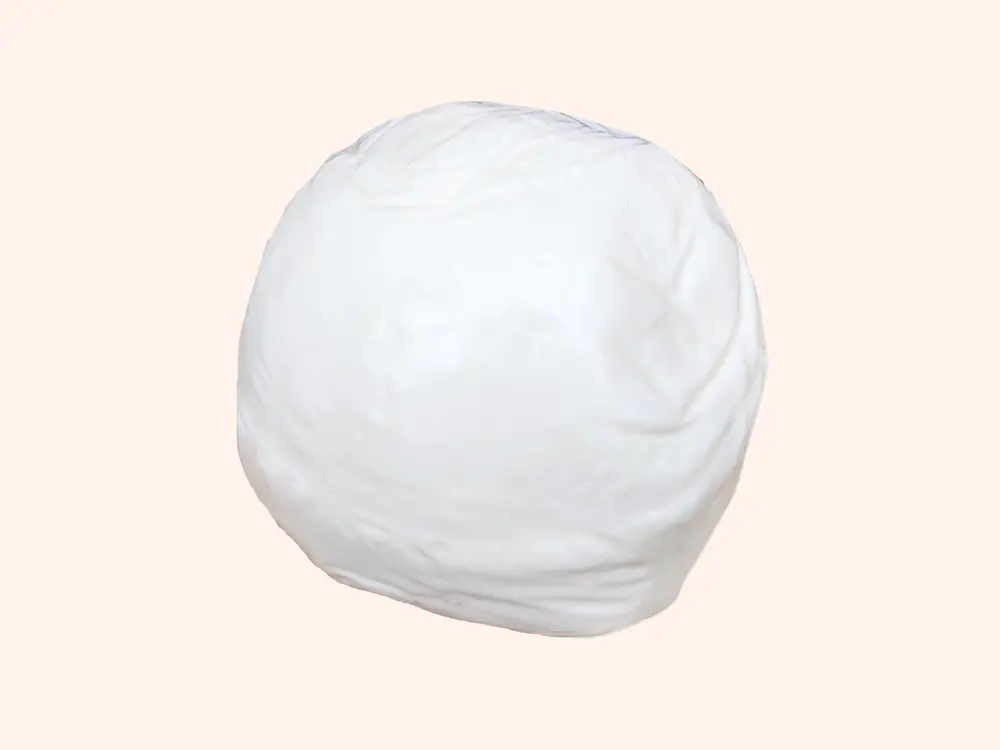
Mozzarella is a semi-soft, non-aged cheese from southern Italy, made by stretching and kneading the curd. Cow's milk versions are called fior di latte, buffalo milk versions mozzarella di bufala, and it tops most pizza.
Key Facts
| Country of Origin | Italy |
| Specific Origin | Southern Italy |
| Milk Type | Cow's, goat's, sheep's or water buffalo's milk |
| Milk Treatment | Pasteurized |
| Fat Content | Varies |
| Moisture Content | High |
| Rind | None |
| Texture | Soft, creamy |
| Flavor | Mild, milky |
| Aroma | Mild |
| Colors | White |
| Forms | Balls, blocks, shredded |
| Age | Eaten fresh |
| Rennet Type | Calf's or microbial rennet |
| Also Known As | fior di latte, mozzarella di bufala |
What is Mozzarella Cheese?
Mozzarella is a semi-soft, non-aged cheese with a long history in southern Italy, though its precise origins are uncertain. It is made by the pasta filata or stretched-curd method. The name is the diminutive of mozza, meaning cut, or comes from mozzare, to cut off, describing how portions of stretched curd are separated. The term first appears in 1570, in a cookbook by Bartolomeo Scappi. Genetic research suggests the buffalo behind buffalo mozzarella reached Italy by migration of river buffalo from India in the 7th century CE.
After the curd heals it is cut into pieces of 1 to 1.5 cm (3/8 to 5/8 in), then stirred and heated so the curds separate from the whey. The drained curd goes into a hoop and rests until the pH reaches about 5.2 to 5.5, the point at which it can be stretched and kneaded into a delicate consistency. The cheesemaker works it by hand until the paste is smooth and shiny, pulls out a strand, and lops off each individual mozzarella.
Cow's milk gives mozzarella fior di latte. Italian buffalo milk gives mozzarella di bufala, and the mozzarella di bufala campana made from buffalo raised in designated areas of Campania, Lazio, Apulia and Molise holds protected designation of origin status under EU and UK law. Fresh mozzarella also carries EU traditional speciality guaranteed certification. Sheep milk versions, called mozzarella pecorella or mozzapecora, are typical of Sardinia, Lazio and Abruzzo and are worked with lamb rennet. Goat milk mozzarella is recent and made in small quantities. The cheese is also sold smoked, or affumicata.
Fresh mozzarella is generally white, though it can turn light yellow depending on the animal's diet, and it squeaks when chewed or rubbed. A ball usually weighs around 90 grams (3 oz) and measures about 6 cm (2 1/2 in) across, but some run to 1 kg (2 lb) and 12 cm (4 1/2 in). It is stored soaked in brine or whey. The high moisture content means it is traditionally served the day it is made, and it turns sour and softer as it sits. Low-moisture mozzarella keeps refrigerated for a month, and some shredded low-moisture mozzarella is sold with a six-month shelf life.
Most pizza is made with mozzarella, and it also goes into pasta dishes and Caprese salad with sliced tomatoes and basil. A denser version, made by adding citric acid and partly drying the cheese, suits baked dishes such as lasagna. Fresh balls come in graded sizes: ovolini the size of a hen's egg, bocconcini about bite-sized, ciliegine cherry-sized, and perlene the smallest, dropped into salads, soups and pasta just before serving. Plaited mozzarella is called treccia.
How Does Mozzarella Cheese Compare?
The most relevant cheeses to compare Mozzarella against.


