
Farmstead
Farmstead cheese, called farmhouse cheese in Europe, is made on the same farm that produced the milk. No outside milk is allowed, so each one tastes like the herd and land behind it.
Find Farmstead Cheese
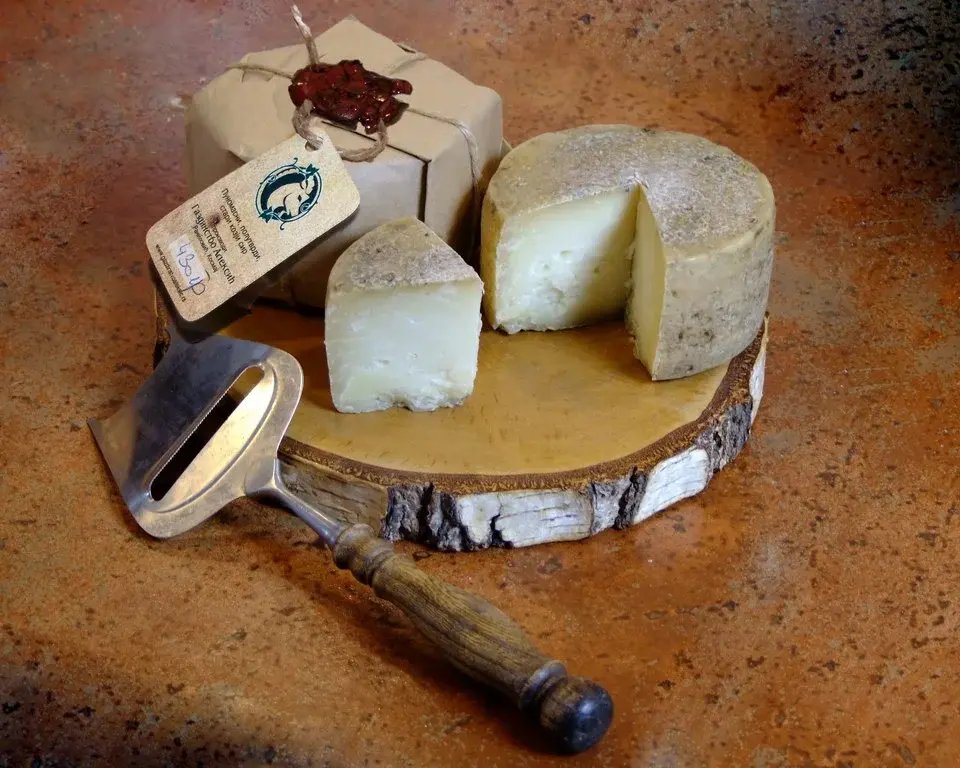
Paleksic, CC BY-SA 3.0, via Wikimedia Commons
Key Facts
| Specific Origin | Europe and North America |
| Milk Type | Cow, goat, sheep, sometimes water buffalo |
| Also Known As | farmhouse cheese |
What is Farmstead Cheese?
Farmstead cheese is defined by where its milk comes from. The makers use milk only from animals they raise, on the same farm where the cheese is made. Artisan cheese is a looser category, since it can include milk bought and trucked in from somewhere else. The American Cheese Society puts it plainly: milk for farmstead cheese may not be obtained from any outside source.
Europe has made cheese this way for a very long time, and the name there is farmhouse cheese. Ireland and Germany both have many varieties. In North America the practice faded and then came back, mostly in the last decades of the 20th century. Vermont, California and Wisconsin lead farmstead cheesemaking in the United States. Georgia is growing fast, and North Carolina has drawn attention for its farmstead cheeses, going as far as setting up the WNC Cheese Trail.
Most of it is cow, goat or sheep milk. Some is water buffalo milk, chiefly Buffalo mozzarella. Because the herd, the pasture and the vat all sit in one place, the cheeses often taste of the farm's local terroir.
Production happens on family farms in small batches, and much of it is sold at farmers' markets nearby. Working at that scale lets a maker offer things a large dairy cannot, such as cheese from cows fed without genetically modified feed.
How Does Farmstead Cheese Compare?
The most relevant cheeses to compare Farmstead against.


